

First-Time Homebuyer Programs in North Carolina and South Carolina
First-time homebuyer programs in North Carolina and South Carolina aren't one single loan. They're a group of options, including 3% down conventional loans, 3.5% down FHA loans, no-down-payment VA and USDA loans, and down payment assistance, that help buyers get into a home with less cash and more flexible qualifying. Most are also available to buyers who haven't owned a home in the past three years.
You don't need to know which program to choose before we talk. The right one depends on your credit, income, savings and the home you want.
I'm Paul Mattos, a mortgage broker with Refine Mortgage, licensed in North Carolina and South Carolina. I help first-time buyers in Charlotte, Matthews, Concord, Fort Mill, Indian Land, Rock Hill and across the Carolinas compare their options, review documents upfront and see the full payment and cash to close before making an offer.

First-Time Homebuyer Options in NC and SC at a Glance
Conventional: as little as 3% down for eligible first-time buyers, often with a 620+ credit score. PMI can be removed later.
FHA: 3.5% down with a 580+ score, or 10% down from 500 to 579. More flexible on credit and debt-to-income. FHA loans
VA: no down payment and no monthly mortgage insurance for eligible veterans and service members. VA loans
USDA: no down payment in eligible areas, with household income limits. Many areas around Charlotte qualify. USDA loans
Down payment assistance: currently offered with FHA loans through wholesale lender programs, usually a second mortgage that may be forgivable or repayable.
Self-employed or non-traditional income: Non-QM options such as bank statement loans use your deposits instead of tax returns to qualify.
Who counts as first-time: generally anyone who hasn't owned a home in the past three years.
Which First-Time Buyer Option Fits You?
Credit around 680 or higher and 3% to 5% saved: a conventional loan often costs less over time, and PMI can be removed later.
Lower credit, higher debts or a past credit event: an FHA loan is more flexible, and it's where I currently offer down payment assistance.
Veteran, service member or eligible surviving spouse: a VA loan allows no down payment and no monthly mortgage insurance.
Buying outside the larger town centers with moderate household income: a USDA loan may allow no down payment.
Self-employed with low income on your tax returns: a bank statement or other Non-QM loan may qualify you on your deposits instead.
I'll compare the options that fit side by side for the same home.
First-Time Homebuyer Details
-
You may count as a first-time homebuyer even if you've owned before. Many programs define a first-time buyer as someone who hasn't owned a principal residence in the past three years. Some low-down-payment options also require at least one borrower to complete a homebuyer education course.
-
Usually less than 20%.
Conventional Loans
Some eligible first-time buyers can purchase with as little as 3% down.
With less than 20% down, private mortgage insurance (PMI) may apply. Depending on the loan and how your equity changes over time, PMI may be removable later when applicable requirements are met.
FHA Loans
FHA loans can require as little as 3.5% down with a credit score of 580 or higher, subject to FHA and lender requirements.
VA Loans
Eligible veterans, service members and other qualifying borrowers may be able to purchase with no down payment, subject to VA requirements.
USDA Loans
USDA loans can offer no-down-payment financing for eligible buyers purchasing eligible properties.
USDA also has household income limits and other program requirements, so both the borrower and property need to qualify.
Don't Forget Closing Costs
Your down payment isn't the only cash you may need to buy a home.
You'll also need to plan for expenses such as:
Closing costs
Prepaid property taxes
Homeowners insurance
Initial escrow funding
Prepaid interest
Any applicable deposits or other funds due before closing
The exact amount depends on the property, mortgage program and purchase contract, which is why it's helpful to estimate the total cash to close, not just the down payment.
-
“How much house can I qualify for?” is a common first question.
Just as important is: “What payment can I comfortably manage while still saving and covering my other expenses?”
Before choosing a price range, we’ll discuss:
Your preferred monthly housing budget.
Your employment and sources of income.
Existing debt payments.
Savings available for the purchase.
Money you want to keep after closing.
Your lease, moving plans, and buying timeline.
The locations and types of homes you’re considering.
Your housing budget should account for principal and interest, property taxes, homeowners insurance, mortgage insurance when required, and any HOA dues. You’ll also want room for utilities, maintenance, repairs, and everyday life.
The maximum a lender may approve is not automatically the amount you should spend. We’ll use your qualifications and your comfort level to guide the conversation.
-
Conventional financing may offer low-down-payment options for qualified buyers. Depending on the specific program, income limits, homebuyer education, or first-time buyer requirements may apply.
Credit, down payment, and other factors can affect pricing and private mortgage insurance. PMI may later be eligible for cancellation when the applicable requirements are met.
We’ll compare the payment, cash needed, mortgage insurance, and overall cost with other available choices.
-
FHA financing may be worth considering when its qualification requirements fit your credit history and overall financial situation.
FHA loans include mortgage insurance and have borrower and property requirements. FHA financing is not limited to first-time buyers, and being a first-time buyer does not automatically make FHA the right choice.
Comparing FHA and conventional financing can help you understand how the costs and requirements differ.
-
Eligible veterans, service members, and certain surviving spouses may qualify for VA financing.
VA loans can offer no-down-payment financing for eligible transactions and do not require monthly mortgage insurance. A funding fee may apply unless the borrower qualifies for an exemption.
Closing costs and prepaid expenses still need to be considered. Eligibility for the VA benefit and approval for a particular mortgage are separate parts of the review.
-
USDA financing may offer a no-down-payment option for eligible buyers purchasing an eligible primary residence.
Household income, property location, and the complete loan application matter. We need to check the specific address rather than assume an entire town or surrounding area qualifies.
Program fees, closing costs, and the complete monthly payment belong in the comparison.
-
Many self-employed first-time buyers are told no because their tax returns show low income after business write-offs. Deductions that lower your taxes also lower the income conventional and FHA lenders can use to qualify you. That doesn't necessarily mean you can't buy a home.
Non-QM loans are mortgages that don't follow standard Fannie Mae, Freddie Mac or FHA guidelines. They're designed for borrowers whose income doesn't fit the usual documentation. Options can include:
Bank statement loans: qualify using 12 or 24 months of personal or business bank deposits instead of tax returns
1099 loans: qualify using your 1099 income
Profit and loss statement loans: qualify using a P&L, often prepared by a CPA
Asset-based loans: qualify using savings and investments
Some bank statement programs allow as little as 10% down, though first-time buyers may need more with some lenders. Non-QM loans usually have higher rates and costs than conventional or FHA loans, so I'll compare them with your other options. Some buyers use Non-QM to buy now and refinance later once their tax returns support conventional financing.
Your deposits need to reflect real business income, and lenders review them carefully. Learn more about bank statement loans in North and South Carolina.
-
Down payment assistance may help an eligible buyer cover part of the upfront purchase expense, but it should not automatically be treated as free money.
Depending on the available program, assistance may have repayment requirements, an additional monthly payment, forgiveness conditions, or restrictions affecting a future sale or refinance.
I currently offer down payment assistance with FHA loans through wholesale lender programs. This assistance is usually a second mortgage that may be forgivable or repayable, depending on the program. If you qualify, we'll review questions such as:
Does it create a second mortgage?
Is there a required monthly payment?
Does the balance have to be repaid?
What conditions must be met for forgiveness?
What happens if you sell, refinance, or stop occupying the home?
Does the associated first mortgage have different pricing or fees?
How much money would you need without assistance?
How do the complete costs compare?
A deferred payment means payment is postponed. It does not automatically mean the debt is forgiven.
Assistance can be useful when it fits your situation. The important step is comparing the actual terms with your other available options.
-
Your down payment is only one part of the money needed to buy a home.
We’ll build a purchase plan that accounts for the other expenses too.
Closing Costs
These may include lender charges, title and settlement services, recording fees, and other transaction expenses.
The amount depends on the loan, property, location, and specific transaction.
Prepaid Expenses and Escrow Funding
You may need funds for items such as homeowners insurance, prepaid interest, and initial deposits into an escrow account for taxes and insurance.
These expenses are part of the purchase budget even though they are different from lender fees.
Costs Before Closing
Inspections, contract deposits, and other expenses may be due before the closing date.
Ask your real estate agent or closing attorney to explain the timing and refundability of any contract deposit before you commit funds.
Moving Costs and Savings After Closing
Moving expenses, utility connections, maintenance, and unexpected repairs should also be considered.
Using every available dollar to purchase a home may leave you with less flexibility afterward. We’ll discuss the savings you want to preserve alongside the loan’s requirements.
-
If you’ve already received a Loan Estimate or written mortgage proposal, I can help you understand the interest rate, discount points, lender fees, mortgage insurance, estimated payment and cash needed at closing.
We’ll discuss what you’re being offered and whether other financing options deserve a closer look, accounting for differences in loan type, down payment, rate-lock status and estimated expenses. You don’t need to understand every line before reaching out. Bring your estimate and your questions.
Buying Your First Home in the Charlotte Area
A few local details catch many first-time buyers off guard:
North Carolina contracts use two deposits. A due diligence fee goes straight to the seller and is generally nonrefundable, and earnest money is held in escrow. Both are typically credited at closing. See what is earnest money.
South Carolina's 4% tax rate requires an application. A primary home in South Carolina can be taxed at 4% instead of 6%, but only if you apply with the county. See North Carolina vs. South Carolina property taxes.
Taxes vary a lot within a short drive. City, town and county rates change the monthly payment on two homes with the same price.
Closings use an attorney. In both states, a closing attorney handles the closing, title and funds.
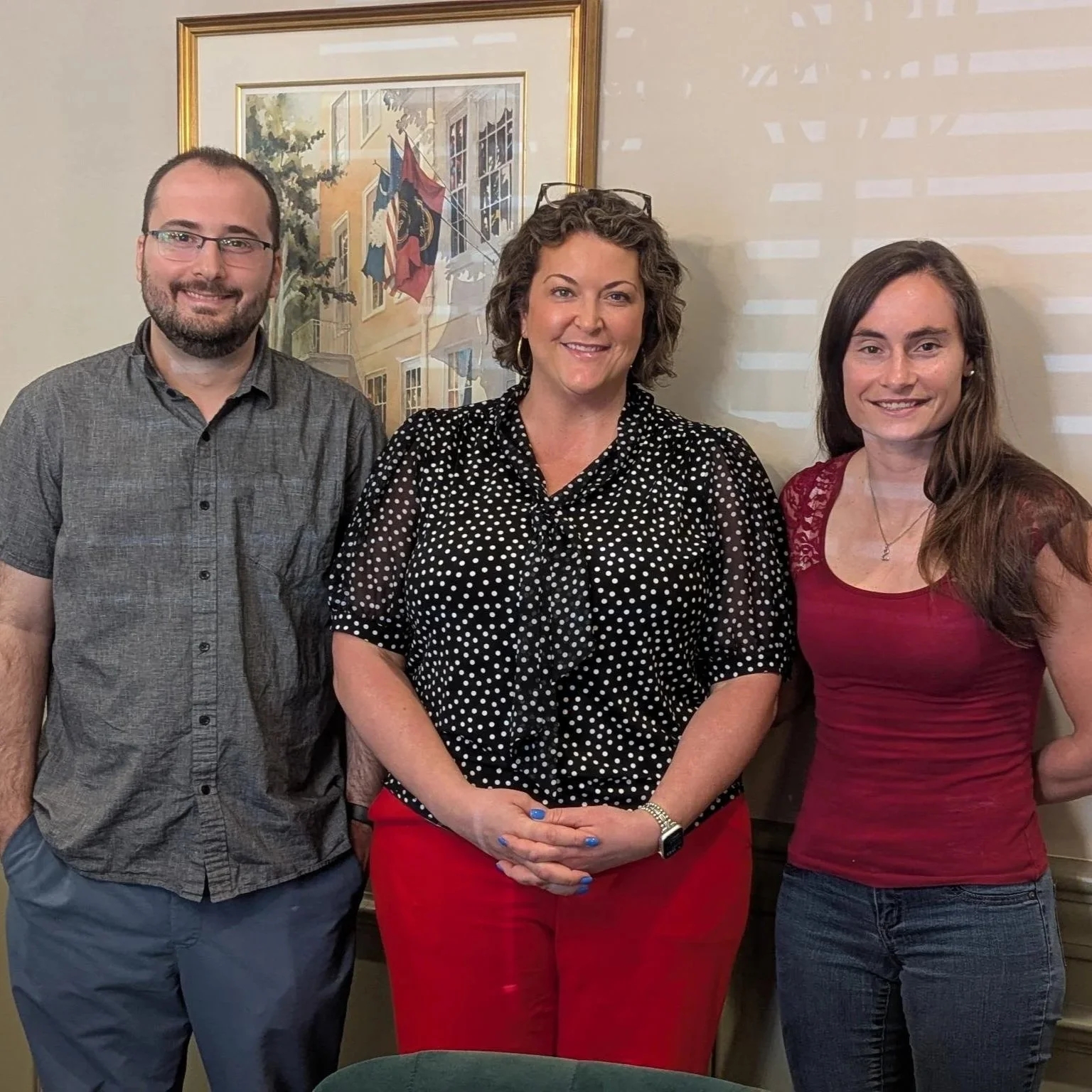
“Paul is a wonderful mortgage broker. This was my first time buying a home. He made sure the process went smoothly and the best financing options were secured for me. He communicates and explains things well. He is very personable and works hard to ensure everything works out in maximal favor of the client. 10/10 would recommend.”
My First-Time Homebuyer Process
Talk through your goals. We discuss where you want to buy, when you want to move, the monthly payment you're comfortable with and how much cash you want to keep. You don't need to know mortgage terms or have everything figured out first.
Application and documents. You complete a secure application and upload documents such as pay stubs, W-2s, bank statements and any gift fund information. I review them upfront instead of issuing a letter based only on what's typed into an application.
Credit, income and underwriting review. I review your credit, income, debts and savings and run your file through automated underwriting, so questions get answered before you start making offers. Then I prepare your pre-approval.
Compare your options. I compare conventional, FHA, VA, USDA and down payment assistance from multiple wholesale lenders, with a detailed estimate and video explanation you can review at your own pace.
Total Cost Analysis before your offer. When you find a home, I prepare a Total Cost Analysis using that property's taxes, insurance and HOA dues, showing your full payment, cash to close and the savings you'll have left. Two homes at the same price can have very different monthly costs.
Underwriting and closing. Once you're under contract, we cover your rate lock, appraisal and underwriting conditions, and review your Closing Disclosure together before closing. Closing dates depend on appraisal, title, underwriting and the purchase contract.
First-Time Homebuyer FAQs
-
It depends on the loan. FHA allows 580 with 3.5% down, conventional often starts around 620, and VA and USDA have no set minimum, though many lenders look for about 580 to 640. See what credit score you need to buy a house.
-
No, but your credit history is part of the qualification review.
Requirements vary by program, lender, and the overall application. Income, debts, available funds, and the property also matter.
We’ll review the credit information used for your mortgage and explain how it affects the options available to you.
-
Not necessarily. Some programs offer low-down-payment financing, and eligible VA or USDA transactions may not require a down payment.
You still need a plan for closing costs, prepaid expenses, and any expenses due before closing.
We’ll review the complete cash requirement and acceptable sources of funds.
-
No. FHA is one option to evaluate.
Conventional, VA, USDA, or another available structure may fit your situation better. The comparison should consider qualification requirements, mortgage insurance, upfront costs, monthly costs, and your plans.
-
No single structure is best for everyone.
Assistance may help preserve savings, but its repayment terms, restrictions, and associated mortgage costs need to be considered.
We’ll compare the complete financing package with other options you may qualify for.
-
Eligible gift funds may be permitted, depending on the loan program, donor, and intended use.
Documentation requirements apply. Tell me about a planned gift before money is transferred so we can explain the records needed.
A gift must meet the program’s requirements and cannot be an undisclosed loan.
-
Many mortgage programs permit negotiated seller credits toward eligible closing costs and prepaid expenses, subject to limits.
Seller credits generally cannot replace a required down payment. They depend on the loan guidelines, actual eligible costs, and what the seller agrees to.
We should discuss any planned credit before you submit an offer.
-
Possibly. Existing debts do not automatically prevent mortgage approval.
The lender evaluates the payments that must be counted alongside your proposed housing expense and qualifying income. Student-loan calculations can vary by program and loan status.
We’ll review the actual obligations before making recommendations.
-
Discuss a major payoff with me before using your savings specifically to prepare for a mortgage.
Paying down debt may help in some situations, but it can also reduce the money available for closing and reserves.
We’ll compare the effect on qualification with the effect on your available cash.
-
Possibly. The new position, pay structure, employment history, and applicable loan requirements all matter.
A change from salary to commission, hourly work to self-employment, or one industry to another may require additional review.
Share the details early so we can determine what documentation is needed.
-
Yes. Conventional and FHA loans generally use your last two years of tax returns, and business write-offs can lower the income you qualify with. If your returns don't show enough income, Non-QM options such as bank statement loans may use your deposits instead. They usually come with higher rates and larger down payments, so we'll compare them with your other options. See bank statement loans in NC and SC.
-
Start before serious house hunting, with enough time to review your finances and address any outstanding questions.
Tell me about your lease expiration, moving plans, and target purchase date. Those details help us build a practical timeline.
-
You can begin with a planning conversation.
We can identify the information needed for a future review and discuss the preparation your situation may require.
Future qualification depends on your circumstances, the property, and the loan guidelines in effect when you apply.
-
Yes, eligible first-time buyers can use conventional programs with 3% down. See can I buy a house with 5% down for how low down payment options compare.
-
You may still have options. VA and USDA may fit if you're eligible, and Non-QM loans can help self-employed buyers and others with non-traditional income.
Learn more about qualifying in my guide: How Do I Qualify for a Home Loan?
Helpful Articles for First-Time Homebuyers
How to Get Pre-Approved for a Home Loan
Understand what preapproval helps establish and why your financing should be reviewed before making offers.
Read the Mortgage Preapproval Guide
How Much Money Do I Need to Buy a Home?
See what to plan for beyond the down payment, including closing costs, prepaid expenses and the savings to keep after closing.
Read the Cash to Close Guide
FHA Loans in Charlotte: First-Time Buyer Guide
Learn how FHA works in the Charlotte area, including county loan limits, condo approval, new construction and local property taxes.
Read the FHA Charlotte Guide
FHA vs. Conventional Loan: Which Is Better?
Explore how mortgage insurance, qualification requirements, and your overall loan structure affect the comparison.
Read the FHA vs. Conventional Guide
Can You Use Gift Funds on FHA Loans?
Learn how eligible gift funds may fit into an FHA purchase and why documenting the funds matters.
Read the FHA Gift Funds Guide
Escrow Explained for First-Time Homebuyers
Understand how an escrow account fits into your mortgage and helps manage certain property-related expenses.
Read the Escrow Guide
Biggest Mistakes First-Time Homebuyers Make
Avoid the common missteps that can raise your costs, delay closing or put your approval at risk.
Read the First-Time Buyer Mistakes Guide

“As first time homebuyers, just having moved here from out-of-state, Paul Mattos and his team made this such a pleasant and stress-free experience. He informed us of the programs available to us, answered all of our questions, and made sure to find out exactly what mortgage and downpayment we were comfortable with, and tailored everything to meet our needs.”
Ready to Compare Your First-Time Homebuyer Options?
You don't have to figure out the mortgage process by yourself. Bring your questions, the payment you're comfortable with, your savings and your timeline, and I'll explain what we need to review and compare the options that fit. My goal is for you to understand the numbers, the trade-offs and the next steps before you commit to a home.
Reviewed by Paul Mattos
Paul Mattos
Mortgage Broker | Refine Mortgage
Carolina Home Financing
NMLS# 2339069 | Licensed in NC and SC
Call or text: 980-221-4959
Email: paulm@refinemortgage.net
Last reviewed: October 2026
Refine Mortgage Inc. | NMLS# 2417960 | Equal Housing Lender. This page provides general educational information and is not a commitment to lend, a rate quote or an offer of specific credit terms. Program availability, down payment assistance and terms may change. Financing is subject to borrower and property eligibility, credit review, appraisal, title and underwriting approval. Not all applicants will qualify. Refine Mortgage is not affiliated with or endorsed by HUD, the Department of Veterans Affairs, the USDA or any government agency.