

Investment Property Loans in North Carolina & South Carolina
Based in the Charlotte area. Serving investors across North and South Carolina.
Investment property loans in Charlotte and across North and South Carolina generally come in two forms: conventional investment loans, which qualify you based on your personal income and debts, and DSCR loans, which qualify you mainly on the property's rental income. Compared with buying a home you'll live in, investment loans typically require a larger down payment and more reserves, and the exact requirements vary by lender, property, and borrower.
Buying your first rental, adding another investment, or refinancing a property you already own? The right fit depends on your income, the property's rental income, available cash, ownership plans, and how long you expect to keep the loan.
I’m Paul Mattos with Refine Mortgage, a mortgage broker licensed in North Carolina and South Carolina. I help investors compare financing through multiple wholesale lenders, including DSCR lenders with different requirements and options.
We’ll look at the payment, closing costs, cash remaining after closing, and any restrictions that could affect your next move. My goal is to help you understand the choices before you commit to a property or loan.
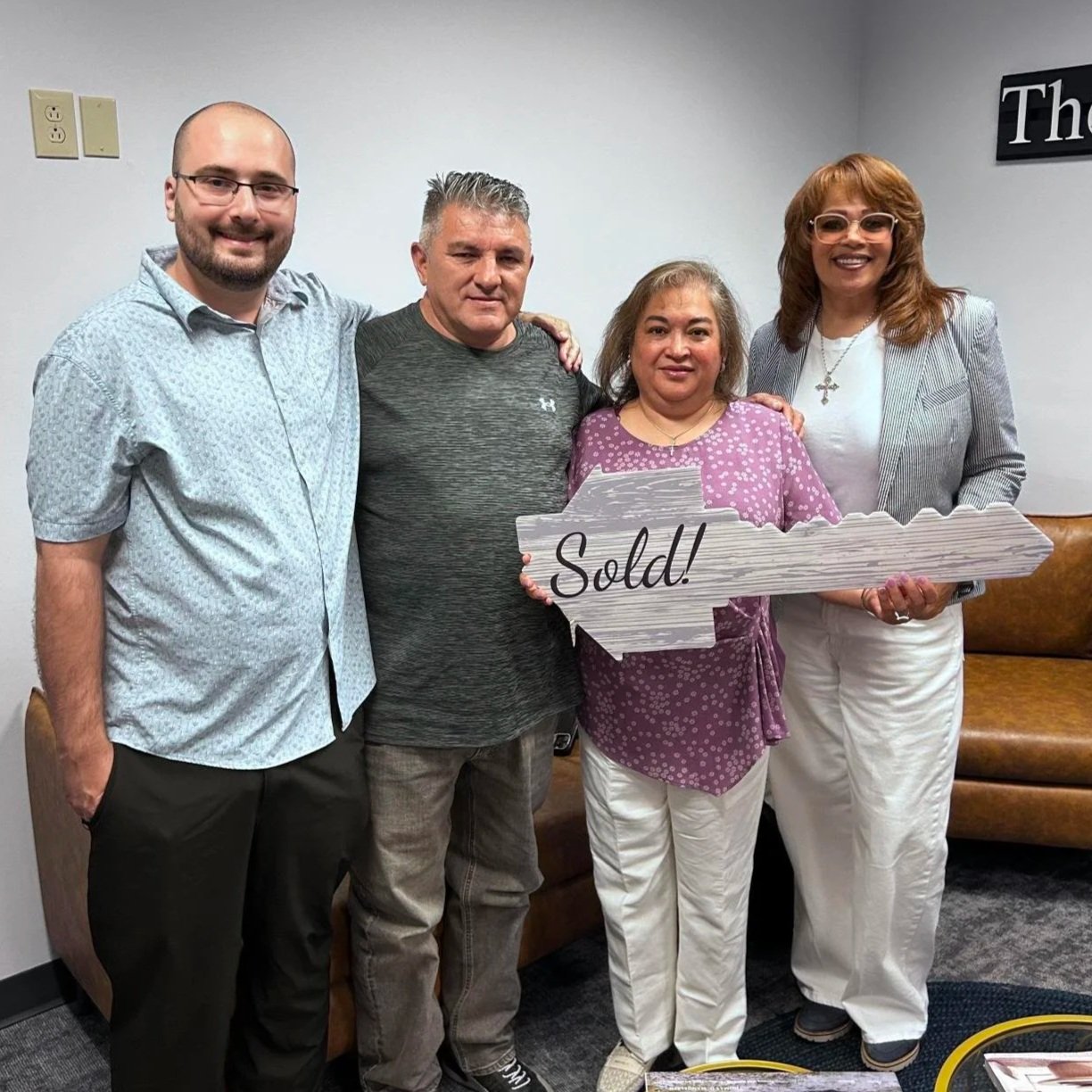
Conventional Investment Loans vs. DSCR Loans
Both can finance eligible rental properties. The biggest difference is how the lender evaluates your ability to repay.
Conventional Investment Property Loans
Conventional financing evaluates your documented income, monthly debts, credit, assets, and the property. Eligible rental income may also help you qualify, subject to documentation and underwriting requirements.
This can be worth considering when you have income that supports traditional qualification and want to compare the overall cost against DSCR financing.
Owning rental properties does not automatically prevent you from using a conventional loan. However, your existing mortgages, rental income or losses, reserves, and number of financed properties can affect eligibility.
Explore conventional home loan options.
DSCR Investment Property Loans
A DSCR loan focuses on the rental property’s income relative to its qualifying housing payment. These programs generally do not use your personal debt-to-income ratio or require traditional employment-income documentation.
DSCR financing can be useful for self-employed investors, borrowers with complicated tax returns, and investors who want to evaluate financing based primarily on the rental property.
The lender still reviews credit, funds, property eligibility, and other program requirements. Qualifying through rental income does not mean automatic approval.
Which Should You Choose?
I don’t assume every investor needs a DSCR loan. When both paths are available, I compare them using the same property and realistic assumptions.
A conventional loan might offer a more attractive overall cost. A DSCR loan might better accommodate your income documentation or ownership structure. The comparison should show what you gain, what you give up, and what you pay for each option.
Why Having Multiple DSCR Lender Options Matters
DSCR lenders do not all evaluate the same investment the same way.
One lender may be a better fit for a straightforward long-term rental. Another may have different options for short-term rentals, LLC ownership, a first-time investor, or a property with a lower rent-to-payment ratio.
As a mortgage broker, I can compare the lenders available through my network and review differences such as:
How rental income is documented and calculated.
Minimum DSCR requirements.
Credit, down payment, and reserve requirements.
First-time investor eligibility.
LLC ownership and personal-guarantee requirements.
Property types and condominium restrictions.
Fixed-rate, adjustable-rate, or interest-only options.
Prepayment penalties and available alternatives.
Cash-out refinance and ownership-seasoning requirements.
A program that works for one property may not work for the next. Even two lenders offering a similar rate can have meaningfully different costs or restrictions.
My role is to identify the relevant options, explain the tradeoffs, and help you choose a structure that fits your plan. Availability depends on the complete borrower and property review.
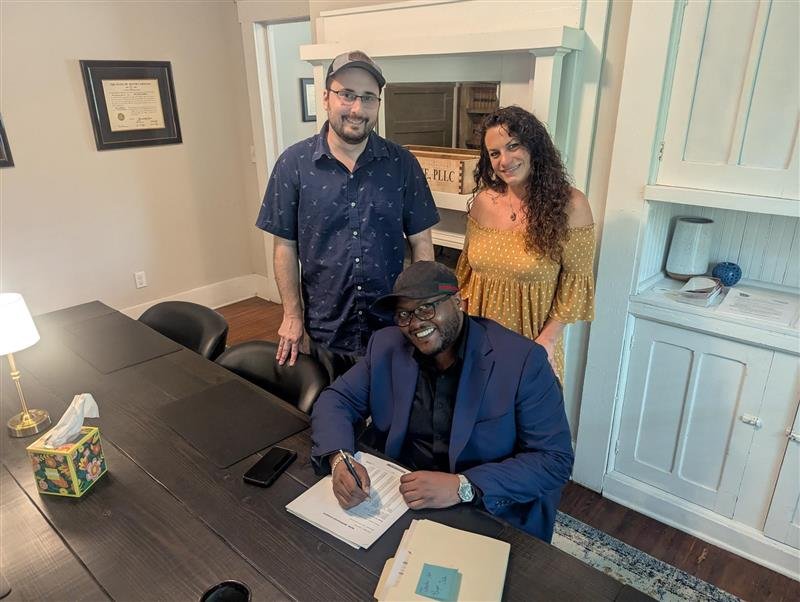
“He was able to present my client with multiple options that could work for them”
How Does a DSCR Loan Work?
DSCR stands for debt service coverage ratio. For many residential investor programs, it compares the monthly rental income accepted by the lender with the property’s qualifying monthly housing payment.
That payment commonly includes principal, interest, property taxes, insurance, and association dues, often abbreviated as PITIA.
DSCR = qualifying monthly rental income ÷ qualifying monthly housing payment
A ratio of 1.00 means the qualifying rent equals the payment used in that calculation. A ratio of 1.25 means qualifying rent is 125% of that payment.
Lenders differ in the ratio they require and how they calculate the income and payment. Some programs may consider a ratio below 1.00, with additional restrictions or different pricing.
Passing the DSCR Test Does Not Guarantee Positive Cash Flow
A lender’s calculation may leave out expenses you still need to pay, including:
Vacancy and unpaid rent.
Repairs and routine maintenance.
Property management and leasing fees.
Major replacements, such as a roof or HVAC system.
Utilities, landscaping, and pest control.
Furnishings and turnover expenses for short-term rentals.
I help you understand the financing assumptions so you can build them into a broader investment budget. A property can meet a lender’s requirements and still leave less financial breathing room than you want.
Investment Property Financing: Details That Can Change Your Options
The property, rental strategy, and ownership structure all matter. These are some of the questions we review before choosing a lender.
-
For DSCR financing, the lender may review an existing lease, an appraiser’s market-rent analysis, or other approved rental documentation. The amount you expect to collect is not automatically the amount the lender can use.
Conventional financing has its own rental-income rules. Tax returns, leases, rental history, and appraisal information may be required depending on the situation.
Before relying on rent to qualify, I confirm what documentation the proposed lender needs and how that income will be treated.
-
Some DSCR programs allow eligible short-term rental properties. Lenders may differ in whether they accept operating history, approved rental projections, or another method of evaluating income.
We also need to consider whether the intended use is permitted by the municipality, HOA, condominium documents, and applicable insurance coverage.
A strong projected nightly rate does not establish year-round income. Your own budget should account for occupancy changes, management, platform fees, cleaning, utilities, and furnishings.
-
Some DSCR lenders allow eligible LLC ownership. Entity documents, authorized signers, ownership percentages, and personal guarantees may be part of the review.
Standard agency conventional financing generally requires individual borrowers, subject to permitted exceptions such as certain trusts.
Discuss the ownership plan before signing the contract or transferring title. Your attorney and tax professional can help evaluate the legal and tax implications; I can explain how the proposed structure affects the available financing.
-
Conventional and DSCR refinance options may be available for eligible rental properties.
A rate-and-term refinance changes the existing financing. A cash-out refinance may allow you to access a portion of the property’s equity after paying off the existing debt and transaction costs.
We compare the new balance, payment, closing costs, available proceeds, and any existing prepayment penalty. Ownership history, current value, rental income, and lender requirements can limit what is available.
Accessing equity increases debt secured by the property. The next investment should still make sense after including the cost of that borrowed money.
-
BRRRR stands for buy, rehab, rent, refinance, and repeat.
Long-term rental financing may be part of the refinance stage once the property meets the lender’s condition and rental requirements. However, a future refinance is not guaranteed.
Before the initial purchase, we should discuss ownership seasoning, documentation of improvements, the lender’s valuation rules, rental requirements, and the cash you may need to leave invested.
Do not assume the completed appraisal will support recovering every dollar spent. A standard rental-property loan also should not be assumed to fund a major renovation.
-
Potentially. Conventional and DSCR programs handle existing properties and portfolio exposure differently.
Conventional financing considers your broader financial profile and applicable financed-property limits. DSCR lenders may focus more heavily on the subject property, but can still impose loan-count, total-exposure, reserve, or experience requirements.
We’ll review the properties you already own and how the proposed loan could affect your next purchase.
How Much Money Do You Need to Buy an Investment Property?
Your investment budget needs to cover more than the down payment.
Down Payment
The required amount depends on the loan program, credit profile, property type, rental income, and other factors.
I compare the minimum eligible down payment with larger-down-payment options when useful. Putting more down may change pricing or improve the rental-income ratio, but it also leaves less cash available for repairs, vacancies, and future purchases.
Closing Costs and Prepaid Expenses
These may include lender charges, discount points, appraisal and rental-analysis fees, title and settlement costs, insurance, and initial escrow deposits.
We’ll separate actual loan costs from prepaid expenses so you can understand where the money is going.
Required Reserves
Reserves are eligible assets remaining after closing. They demonstrate that you have resources available to cover payments.
The amount and acceptable asset types vary by program. Owning other financed properties can also affect the calculation.
Your Operating Cushion
The lender’s minimum reserve requirement is not a personalized maintenance or vacancy budget.
Consider the property’s age, condition, expected turnover, insurance deductibles, and upcoming expenses. I want you to see both the cash needed to close and what would remain afterward.
My Investment Property Loan Process
Step 1: Discuss the Investment Plan
We start with what you want to accomplish: your first rental, another long-term hold, a short-term rental, or a refinance.
I’ll ask about the property, expected rent, available funds, ownership plans, existing properties, and how long you expect to keep the financing.
Step 2: Complete the Application and Review Documents
My team collects the documents relevant to the financing we are evaluating.
That may include identification, bank or investment statements, property information, existing mortgage details, leases, insurance information, and LLC documents.
For conventional financing, income documentation may include pay stubs, W-2s, tax returns, and rental-property records. For DSCR financing, the documentation is generally centered more heavily on the property, credit, and funds.
Step 3: Review Qualification and Lender Fit
With your authorization, I review credit and assess the requirements of the relevant programs.
For conventional financing, that includes income, debts, reserves, and applicable underwriting findings. For DSCR financing, it includes the rental-income calculation, property eligibility, and lender-specific requirements.
Questions that need lender or underwriter input are addressed as early as practical.
Step 4: Compare the Available Options
I walk you through the meaningful differences between the available structures.
That can include conventional versus DSCR, different down payments, points versus fewer upfront costs, and the effect of a prepayment penalty.
You should understand why an option is being considered and what could make another option a better fit.
Step 5: Review the Actual Property Before the Offer
Whenever possible, send me the address before you make an offer.
We can refine the estimates using the purchase price, expected rent, property taxes, insurance, and HOA dues. We also identify financing questions related to occupancy, condition, rental restrictions, or the proposed ownership structure.
Any preapproval or financing letter remains subject to its stated conditions and the lender’s required property review.
Step 6: Move Through Appraisal, Processing, and Underwriting
Once under contract, we coordinate the lender’s disclosures, appraisal and rental analysis, title work, insurance, and underwriting requirements.
We’ll discuss rate-lock choices and keep you informed about outstanding items. If the appraised value or accepted rent differs from the initial estimate, we revisit the financing numbers.
Step 7: Review Closing Figures and Final Loan Terms
Before closing, we review the required funds and final terms, including any prepayment restriction or adjustable-rate feature.
Closing dates depend on appraisal, title, underwriting, documentation, and the purchase contract. We’ll discuss a realistic timeline for your specific transaction.
Step 8: Revisit Financing When Your Plans Change
If you later consider refinancing, selling, accessing equity, or buying another rental, we can evaluate the new financing question using your current circumstances.
A future refinance depends on qualification, property value, available programs, and market conditions at that time.
See Your Investment Loan Options Side by Side
A rate quote is only part of the decision. I use a side-by-side comparison, including a Total Cost Analysis when appropriate, to help you understand the numbers behind each option.
We can compare:
Estimated monthly mortgage payment.
Property taxes, insurance, and association dues.
Down payment and estimated cash to close.
Points and lender charges.
Cash remaining after closing.
Rental-income assumptions and the lender’s DSCR calculation.
Prepayment restrictions.
Estimated financing costs over your expected holding period.
For example, we might compare conventional and DSCR financing on the same rental, or two DSCR lenders with different upfront costs and prepayment terms.
I also explain the assumptions behind the estimates. A financing comparison is not a forecast of rental income, appreciation, or investment returns.
Already Have an Investment Loan Quote?
Send the Loan Estimate or written financing proposal you received. Some business-purpose investment loans use different disclosure documents, so a written quote may be the starting point.
I can review the rate, fees, cash requirements, and restrictions with you.

“He offered Careful and concise Explanation For All Questions We Posed To Him.”
Rental Property Financing Across North Carolina and South Carolina
I work with investors purchasing or refinancing properties throughout North Carolina and South Carolina, including Charlotte, Concord, Gastonia, the Lake Norman area, Fort Mill, Rock Hill, Indian Land, and surrounding communities.
You do not have to live near the property to start the conversation. For out-of-state investors, we can review financing remotely while you coordinate property inspections, rental research, and local management.
Depending on the program, eligible properties may include:
Single-family rental homes.
Townhomes and qualifying condominiums.
Duplexes, triplexes, and four-unit properties.
Eligible short-term rental homes.
Five-or-more-unit buildings, mixed-use properties, and properties needing substantial rehabilitation require a different financing review. Share those details upfront so we can determine whether an available program fits.
Review the Property’s Actual Costs
Two homes with the same purchase price and expected rent can produce very different financing results.
Property taxes, landlord insurance, flood coverage, HOA dues, and special assessments can change the numbers. Verify that tax estimates reflect the intended investment use rather than assuming the seller’s bill will carry over.
For condos and townhomes, review both the lender’s project requirements and the association’s rental rules. Financing eligibility does not establish permission to operate a rental.
Charlotte-Area Factors Investors Should Check
South Carolina taxes rentals differently than primary homes. In South Carolina, an owner-occupied primary residence is generally assessed at 4% of fair market value, while a rental or second home is generally assessed at 6%. If you're buying a rental in Fort Mill, Rock Hill, Tega Cay, Indian Land, or Lake Wylie, the seller's current tax bill may reflect the lower primary-residence ratio, so your estimate should use the investment-property rate.
North Carolina works differently. North Carolina doesn't use a separate assessment ratio for owner-occupied homes, but county tax rates and values differ across Mecklenburg, Cabarrus, Union, Iredell, and Gaston counties. Check the county's current value and rate for the specific property.
Short-term rental rules vary by location. Zoning, registration, occupancy-tax, and HOA rules differ between Charlotte, surrounding towns, and individual neighborhoods. Confirm the property can legally operate as a short-term rental before you rely on that income.
Lake and flood-zone properties. Homes near Lake Norman, Lake Wylie, or creeks may need flood insurance, which can change your monthly payment and DSCR calculation. Check the property's FEMA flood zone before making an offer.
Buying from out of state. You don't need to live nearby, and I'm licensed in both North Carolina and South Carolina, so we can review an NC or SC rental remotely.
Frequently Asked Questions About Investment Property Loans
-
There is no single minimum that applies to every conventional or DSCR program.
Lenders consider the score along with credit history, down payment, reserves, property type, and other requirements. A score that meets a program’s minimum does not guarantee approval or the same pricing another borrower receives.
I review the complete scenario before identifying realistic options.
-
Some lenders consider first-time investors, while others have experience requirements or additional restrictions.
Tell me whether you own your current home and whether you have managed rentals before. First-time investor and first-time homebuyer are different categories, and a lender may treat them differently.
-
DSCR programs generally qualify using the property’s rental income rather than traditional employment-income documentation.
That can be helpful when your personal income is difficult to document. However, you still need to meet the lender’s credit, funds, property, and other eligibility requirements.
“No traditional income documentation” does not mean “no documentation.”
-
We first check the accepted rent and payment assumptions.
Potential options may include a different lender, a larger down payment, a different loan structure, or conventional financing if your personal qualification supports it. Some programs consider lower ratios with additional restrictions.
We should also revisit the investment budget. Financing availability alone does not make a property financially suitable.
-
Many DSCR programs include a charge for paying off the loan during a specified period. The structure and availability of alternatives depend on the lender, transaction, and applicable rules.
This matters if you expect to refinance or sell soon. I review the duration, calculation, and relevant exceptions before you choose an option.
-
Investment-property pricing often differs from primary-residence pricing. Your actual terms depend on the program, credit, loan amount, equity or down payment, property, and other factors.
DSCR pricing can also reflect the rental-income ratio and prepayment structure. Compare written options using consistent assumptions, including points, fees, and lock terms.
-
DSCR investor programs are intended for qualifying investment use, not your primary residence.
If you plan to live in one unit and rent the others, tell me upfront. An owner-occupied two-to-four-unit loan may be a different path to evaluate.
The financing must reflect how you actually intend to use the property.
-
A second home and an investment property have different eligibility requirements.
Personal use, rental activity, and the purpose of the purchase affect the review. A property should not be described as a second home simply to pursue different pricing.
Explain the intended use before we compare programs.
-
Not always. Some programs can evaluate an eligible vacant property using an approved market-rent analysis.
Other situations may require a lease or operating history. The answer depends on the lender, property, transaction, and rental strategy.
-
Seller contributions may be allowed within the selected program’s limits and eligible costs.
They generally cannot replace your required down payment. We should calculate an appropriate request before it is included in the contract.
Conventional and DSCR programs can have different restrictions, so don’t assume a credit allowed on one loan will work on another.
-
It depends on the program and the property. For conventional financing on a one-unit investment property purchase, Fannie Mae generally allows a down payment as low as 15%, while two- to four-unit investment properties generally require at least 25%. DSCR programs set their own requirements, and many ask for more than conventional loans. Credit, reserves, and the property itself can change the minimum.
-
Some DSCR lenders offer interest-only payment periods on eligible properties in South Carolina and North Carolina. An interest-only period lowers the initial payment, which can help the DSCR calculation, but you don't pay down principal during that period and the payment increases afterward. I can compare interest-only and fully amortizing options side by side.
-
Yes. Where you live doesn't prevent you from financing a rental in either state. Because I'm licensed in both, I can review options for properties in Charlotte, Fort Mill, Rock Hill, and nearby areas on either side of the state line.
Explore More Investment Property Financing Guides
Starting Your First Rental
How to Buy Your First Rental Property
Understand the early planning questions, financing review, and property considerations involved in getting started.
What Down Payment Is Needed for an Investment Property?
Explore how the loan program and property affect upfront cash requirements.
Understanding DSCR and Short-Term Rental Financing
DSCR Loans in North Carolina and South Carolina
Take a deeper look at financing that evaluates a rental property’s income.
Can You Buy an Airbnb Property With a DSCR Loan?
Review the financing questions that come with a short-term rental strategy.
Planning Ownership and Future Purchases
Can an LLC Buy an Investment Property?
Learn why the proposed ownership structure should be discussed before choosing a loan.
How Investors Finance Multiple Rental Properties
Explore financing considerations when you already own properties and want to add another.
Official Investment Mortgage Resources
These resources explain selected conventional mortgage requirements. They do not establish the guidelines for every DSCR lender.
Fannie Mae: Rental Income — Documentation and treatment of rental income.
Fannie Mae: Minimum Reserve Requirements — Eligible assets and post-closing reserve requirements.
Fannie Mae: Multiple Financed Properties — Rules that can affect investors who own several financed properties.
Loan requirements can change. The applicable lender and underwriting requirements must be confirmed for your transaction.
Have a Rental Property in Mind? Start With These Details
You do not need to know which loan to request before contacting me. These details give us a useful starting point:
Property address or target area.
Purchase price or estimated current value.
Expected monthly rent and any existing lease.
Long-term or short-term rental plans.
Approximate credit score.
Funds available for the purchase and reserves.
Current mortgage balance, if refinancing.
Whether you plan to buy personally or through an LLC.
Other properties you own.
Expected purchase timeline and how long you intend to hold the property.
We’ll use that information to identify the next steps and documents needed for a meaningful financing review.
Please use the secure application portal for financial documents and sensitive personal information.
Let’s Compare Financing for Your Next Investment Property
Whether you’re buying your first rental or planning your next purchase, I’ll help you understand the available conventional and DSCR options, the cash required, and the terms that could affect your investment plan.
Bring the property, the numbers, and your questions. We’ll work through the financing together.
Paul Mattos | Mortgage Broker | Refine Mortgage
NMLS# 2339069 | Licensed in North Carolina and South Carolina
Phone: 980-221-4959
Email: PaulM@RefineMortgage.net
Financing is subject to credit, property eligibility, appraisal, title, and underwriting approval. Program availability and terms vary by lender and transaction. Estimates are not commitments to lend or guarantees of investment performance.