

Non-QM Home Loans in North Carolina and South Carolina
Bank Statement, 1099 and Asset-Based Mortgage Options
Your income may come from running a business, working as an independent contractor or managing financial assets. When a standard mortgage calculation does not fit your circumstances, alternative documentation may be worth exploring.
Non-QM mortgage programs may allow eligible borrowers to document qualifying income or assets through bank statements, 1099 earnings, profit-and-loss statements or other approved methods. These programs still require documentation and underwriting.
I’m Paul Mattos, a mortgage broker with Refine Mortgage, licensed in North Carolina and South Carolina. I help borrowers compare financing approaches based on their income, assets, property and long-term plans.
Whether you are self-employed in Charlotte, purchasing in Fort Mill or refinancing elsewhere in the Carolinas, we start by reviewing your financial picture—including whether a conventional or other standard mortgage can meet your needs.

What Is a Non-QM Home Loan?
Non-QM stands for non-qualified mortgage. It describes a mortgage that does not meet the requirements for Qualified Mortgage status under applicable federal rules.
The designation describes the loan, not whether a borrower is financially responsible.
For consumer mortgages covered by the federal Ability-to-Repay rule, the lender must make a reasonable, good-faith determination that the borrower can repay. Alternative documentation does not remove that obligation.
Non-QM is also different from non-agency. A mortgage is not automatically non-QM because it is outside Fannie Mae or Freddie Mac guidelines.
Business-purpose investment loans, including many DSCR programs, are often discussed alongside non-QM financing but fall into a separate category with different requirements and protections.
Bank Statement Loans for Self-Employed Borrowers
A bank statement mortgage may allow an eligible self-employed borrower to document income using personal or business bank statements instead of relying primarily on tax returns.
The lender identifies qualifying deposits and applies its program’s income calculation. When business accounts are used, expenses and ownership percentage can affect the amount counted.
Gross deposits are not automatically qualifying income. Transfers between accounts, borrowed funds and other deposits may need to be excluded or explained.
Credit, existing debts, business history, down payment or equity, reserves and property eligibility also matter.
Being self-employed does not automatically mean you need this type of loan. We should compare it with available standard mortgage options before choosing an approach.
Clear Communication Throughout the Process
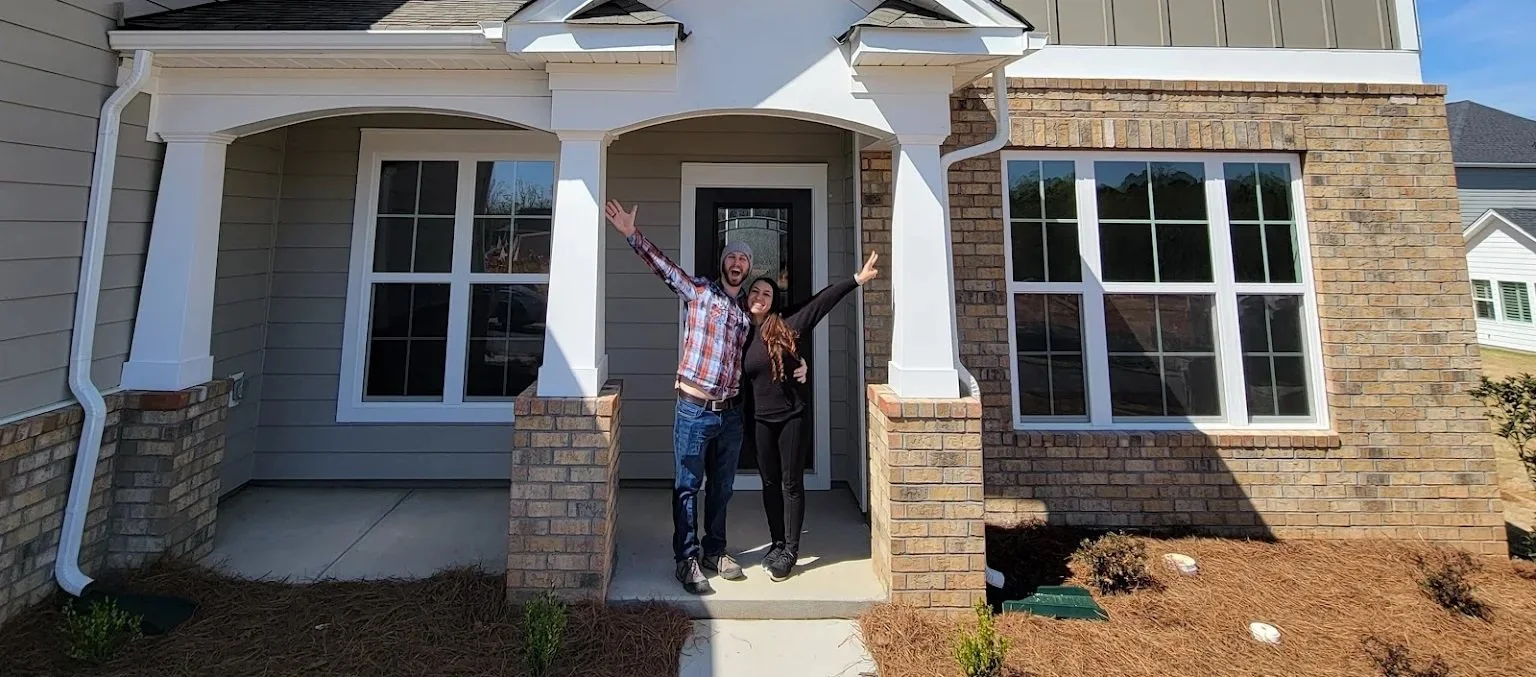
“Excellent communication, always available for questions. Great experience.”
1099 Income Mortgage Options
Certain programs allow eligible independent contractors and other self-employed borrowers to document income using 1099 earnings.
A lender may review prior 1099 forms, current earnings and supporting records to evaluate the income history and whether it is continuing. Requirements concerning work history and the number of income sources vary.
Receiving a 1099 does not automatically establish eligibility, and the reported amount should not be assumed to equal qualifying income.
If your earnings come from several clients or businesses, we can discuss whether a 1099 program, bank statement program or traditional documentation approach fits your circumstances.
Profit-and-Loss Statement Mortgage Options
Some programs allow eligible business owners to document income using a profit-and-loss statement, often called a P&L.
A P&L summarizes business revenue and expenses for a defined period. Depending on the lender, it may need to be prepared by an acceptable independent professional. Supporting bank statements or other verification may also be required.
The lender still evaluates the reliability of the information, business history, credit, assets and property.
Before paying for a new financial report, confirm which documents the proposed lender requires and who must prepare them.
Asset-Based Mortgage Qualification
Borrowers with substantial financial assets may have options for demonstrating repayment capacity beyond a regular paycheck.
Depending on the program, a lender may convert eligible assets into a calculated income amount or evaluate whether qualifying asset balances satisfy its requirements.
These methods are sometimes called asset depletion, asset utilization or asset qualifier programs. Their calculations and eligibility rules differ.
The lender may consider account ownership, accessibility, asset type and valuation adjustments. Funds needed for closing and reserves can also affect how much remains available for qualification.
A large account balance alone does not establish approval.
For retirees and other borrowers with limited employment income, we should also review whether documented retirement income or another standard qualification method already supports the financing.
Start With the Qualification Method That Fits
The goal is to identify an appropriate way to document your financial circumstances and compare the resulting loan terms.
A business owner with significant deductions may need a different review from a contractor with consistent 1099 earnings or a retiree with substantial assets.
We should evaluate available standard mortgage options alongside any alternative documentation program.
Additional Financing Options to Discuss
These options are often discussed alongside non-QM financing, but the borrower, property or loan purpose alone does not determine a mortgage’s Qualified Mortgage status.
-
A debt service coverage ratio, or DSCR, loan evaluates qualifying rental income relative to the property’s required housing expense.
The lender may review leases, appraiser-supported market rent or another permitted rental-income method. Credit, down payment or equity, reserves and property eligibility still matter.
Business-purpose DSCR programs are intended for investment properties, not a home you plan to occupy as your primary residence. They are generally outside the consumer Ability-to-Repay/Qualified Mortgage framework.
Review any prepayment provisions and consider how vacancy, repairs and changing rents could affect your finances.
-
A condo may require an alternative financing review when its project does not meet applicable Fannie Mae or Freddie Mac eligibility requirements.
The lender may evaluate association finances, insurance, litigation, commercial use, ownership arrangements and building conditions.
Some lenders consider projects outside standard agency guidelines. That does not mean significant structural, insurance or other concerns can be overlooked.
Ask for a project review early. A borrower’s strong credit profile does not resolve an ineligible condominium project.
-
Certain lenders consider eligible applicants who use an Individual Taxpayer Identification Number, or ITIN, instead of a Social Security number.
An ITIN is issued for federal tax purposes. It does not establish immigration status or authorize employment.
The lender still reviews identity, qualifying income or assets, credit, down payment and property use under its program requirements.
An ITIN alone does not establish mortgage eligibility.
-
Some lenders offer financing for eligible borrowers who reside outside the United States and want to purchase or refinance U.S. investment property.
Requirements may include identity and residency documentation, acceptable credit information, verification of funds and rental-income documentation.
Documents originating outside the United States may require additional review or translation.
Not every borrower who is not a U.S. citizen needs a foreign national program. Other financing may be available depending on the borrower’s circumstances and applicable guidelines.
-
Bridge financing may provide temporary funding when the purchase of a new property and sale of an existing property do not line up.
The review should address available equity, carrying costs, other mortgage obligations and a realistic repayment plan.
Consider what happens if the existing property takes longer to sell or sells for less than expected.
Bridge loans have their own requirements and costs. They are not automatically non-QM because they are temporary.
What Do Lenders Review for a Non-QM Mortgage?
There is no single credit-score, down-payment or reserve requirement that applies to every non-QM loan.
Requirements depend on the lender, documentation method, property, occupancy, loan amount and complete application.
The review may include:
Credit history: Current obligations, payment history and significant credit events.
Income or assets: Documentation supporting the selected qualification method.
Down payment or equity: Funds for a purchase or available equity for a refinance.
Reserves: Eligible assets remaining after closing.
Property: Value, condition, property type and intended use.
Loan purpose: Purchase, refinance, cash-out or business-purpose investment financing.
A strong result in one category does not automatically resolve an issue in another. The complete file must meet the selected program’s requirements.
Compare Non-QM Loan Costs and Terms
An alternative documentation program can have different pricing and requirements from a standard mortgage.
Before choosing, compare the interest rate, APR where applicable, lender fees, third-party costs, required cash and payment structure.
Ask whether the loan has an adjustable rate, an interest-only period or another feature that could change future payments. During an interest-only period, scheduled interest payments do not reduce the principal balance.
For business-purpose investment financing, review any permitted prepayment penalty and how it could affect a future sale or refinance.
Choose financing you can evaluate on its current terms. A future refinance depends on factors such as eligibility, property value and market conditions and is not guaranteed.
How My Non-QM Mortgage Review Works
1. Discuss Your Goals
We start with the property, intended use, budget and timing.
2. Review Your Income and Assets
We discuss your income sources, business structure, assets and existing obligations to identify the documentation needed.
3. Compare Available Approaches
Where appropriate, we compare standard mortgage options with alternative documentation programs, including estimated payments, closing costs and required reserves.
4. Review the Property and Underwriting Conditions
A preliminary conversation or document review is not final approval. The lender must complete its required underwriting and property review.
I review income, assets and loan options early so we can identify questions before an offer. Closing dates depend on appraisal, title, underwriting, documentation and the purchase contract. We will discuss a realistic timeline for your specific file.
Early review can identify issues, but underwriting, appraisal, title or documentation may still change the outcome.
Frequently Asked Questions About Non-QM Home Loans
-
No. Non-QM programs use specific qualification methods and require supporting documentation.
Depending on the program, that may include bank statements, 1099 earnings, a profit-and-loss statement or eligible assets. Non-QM should not be described as “no qualification” financing.
-
No. Self-employed borrowers may qualify for conventional and other standard mortgages.
We should review those options before assuming an alternative documentation program is necessary.
-
Yes. Business deductions can affect the income shown on tax returns, but qualifying income is not always identical to taxable income.
The applicable mortgage guidelines determine which adjustments are permitted. We can review the documentation and compare potential approaches. Consult your tax professional about tax decisions.
Read Can You Get a Mortgage After Writing Off Too Much Income?
-
Certain consumer non-QM programs permit eligible primary residences.
Other programs are limited to investment properties or specific uses. Business-purpose DSCR financing should not be used to misrepresent a personal residence as an investment property.
-
Some programs permit refinancing, including certain cash-out transactions.
Eligibility depends on the lender’s requirements, documented qualifications, property value, available equity and other circumstances.
Compare the new loan’s costs and terms with your existing mortgage before deciding.
-
There is no universal minimum across all non-QM programs.
Requirements depend on the lender, documentation method, loan amount, property type, occupancy and complete application. A program review is needed before quoting requirements for your situation.
-
No. Jumbo describes a mortgage amount above the applicable conforming loan limit.
Qualified Mortgage status depends on separate requirements. A jumbo loan can meet QM standards.
-
Some lenders consider applications after significant credit events, subject to their requirements.
The type of event, time elapsed, reestablished credit and other circumstances matter. There is no single waiting period that applies to every non-QM program.
-
A previous denial does not always mean every program has been evaluated. I can review the written denial and documentation to see whether another eligible path exists; approval is subject to underwriting.
-
No. Early review can identify issues, but underwriting, appraisal, title or documentation may still change the outcome.
Non-QM, Self-Employed and Investment Mortgage Guides
Explore these articles to understand alternative income documentation, business-owner mortgage options and rental-property financing.
For Self-Employed Borrowers and Business Owners
How Bank Statement Loans Work — Learn how lenders review eligible deposits, business expenses and supporting documentation.
Can You Get a Mortgage After Writing Off Too Much Income? — Understand how business deductions can affect qualification and which documentation approaches may be worth comparing.
Mortgage Options for Business Owners — Explore financing considerations when your income comes from owning and operating a business.
Can Truck Drivers Qualify for a Mortgage? — Review income-documentation considerations for employed drivers and self-employed owner-operators.
For Rental-Property Investors
What Is a DSCR Loan? — Learn how qualifying rental income factors into investment-property financing.
Can LLCs Buy Investment Properties? — Explore financing considerations when an LLC will own the property.
Looking for construction financing, renovation loans or home equity options? Explore Specialized Home Loans in North Carolina and South Carolina.
Support Through Each Step

“From day one, they were responsive, personable, and truly cared about helping me through every step of the loan process.”
Discuss Your Non-QM Mortgage Options With Paul Mattos
If your income or assets require a different documentation approach, start with a review of your circumstances.
I help borrowers throughout North Carolina and South Carolina understand potential financing options, estimated costs and the documents needed to evaluate eligibility.
Whether you own a business, receive contractor income or have substantial financial assets, we can discuss an appropriate starting point.
Paul Mattos
Mortgage Broker | Refine Mortgage
NMLS# 2339069 | Licensed in North Carolina and South Carolina
980-221-4959 | PaulM@RefineMortgage.net
Refine Mortgage Inc. | NMLS# 2417960 | Equal Housing Lender
This page provides general educational information and is not a commitment to lend. Program availability, eligibility, rates, fees and terms vary by borrower, property, lender and loan purpose and may change. Financing is subject to applicable credit, income or asset verification, property valuation, title and underwriting requirements. Not all applicants will qualify.