

Specialized Home Loans in North Carolina and South Carolina
Specialized home loans are financing options for situations a standard mortgage doesn't cover well: building a home, buying a house that needs work, borrowing against the equity you already have, buying above the conforming loan limit, qualifying with self-employed income or financing a rental property. Each one has its own rules, so the best place to start is what you need the loan to do.
Below is a quick guide to each option, with a link to the full page for the one that fits.
I'm Paul Mattos, a mortgage broker with Refine Mortgage, licensed in North Carolina and South Carolina. Before mortgage, I worked in on-site new-construction sales, and today I help builders' buyers, homeowners, self-employed borrowers and investors compare specialized options from multiple wholesale lenders alongside standard loans, so the structure fits the plan.

Specialized Loan Options at a Glance
New construction loans: buying from a builder, or building a custom home with a one-time-close construction-to-permanent loan
Renovation loans: FHA 203(k), Fannie Mae HomeStyle and Freddie Mac CHOICERenovation, for buying or refinancing a home that needs work
HELOCs: a credit line against your home's equity, so your first mortgage stays in place
Jumbo loans: loans above the 2026 conforming limit of $832,750 for a one-unit home
Bank statement loans: self-employed borrowers qualifying with bank deposits instead of tax returns
DSCR loans: rental properties qualifying mainly on the property's rent
Non-QM loans: other alternative-income options, including asset-based and interest-only programs
Investment property loans: every way to finance a rental, from conventional to DSCR
Which Specialized Loan Fits Your Plan?
I want to build a home. Start with new construction loans. Review the financing before you buy land or sign a builder contract. If you're still shopping for a lot, see buying land to build on in South Carolina.
I'm buying from a builder in a new community. You'll usually use a standard loan (conventional, FHA, VA or USDA). The new construction page covers builder incentives, timelines and rate locks.
I want to buy a home that needs work, or renovate mine. See renovation loans. If you already own the home and have equity, a HELOC may be simpler.
I want to use my equity without losing my low rate. See HELOCs. If you're thinking about paying off debt, read should I refinance my low-rate mortgage to pay off debt?
My loan amount will be over $832,750. See jumbo loans. A larger down payment can sometimes keep you in conforming range.
I'm self-employed and my tax returns don't show my real income. See bank statement loans. Being self-employed doesn't automatically mean you need one, so I'll check conventional options too.
I'm buying a rental property. See DSCR loans and compare them with conventional investment financing on the investment property loans page.
My situation is standard. A conventional, FHA, VA or USDA loan may cost less. Start with all home loan programs.
New Construction Loans
For buyers purchasing from a builder or building a custom home. One-time-close loans combine the land, the build and your permanent mortgage in one closing.
Renovation Loans
Finance the purchase and the repairs together, or fund improvements on a home you own. Includes FHA 203(k), HomeStyle and CHOICERenovation.
HELOCs
Borrow against your equity as you need it, and keep your current first mortgage. Good for projects paid in stages, like sheds, garages, kitchens and additions.
Jumbo Loans
For loan amounts above $832,750 in 2026. Guidelines vary by lender, so comparing several lenders matters.
Bank Statement Loans
For self-employed borrowers who qualify using 12 or 24 months of bank deposits instead of tax returns.
DSCR Loans
For rental properties that qualify mainly on the property's rental income, with no personal debt-to-income ratio. Often used with an LLC.
Non-QM and Investment Loans
See every alternative-income and investor option in one place.
Specialized Financing in the Charlotte Area
Building or buying new: new construction is common across York, Lancaster and Union counties and around Lake Norman. Watch the builder's timeline and your rate lock. See how long it takes to build a custom home in SC.
Higher price points: SouthPark, Myers Park, Ballantyne, lake homes and parts of Waxhaw and Fort Mill often get into jumbo range.
Self-employed and investors: many Charlotte-area business owners and investors use bank statement or DSCR loans when traditional income documentation doesn't show the full picture.
Equity: many homeowners here have built significant equity, so a HELOC is often worth comparing before a cash-out refinance.
A Past Client’s Experience
Understanding your financing matters throughout the mortgage process. My approach is to explain the options, answer questions and keep you informed about the next steps.
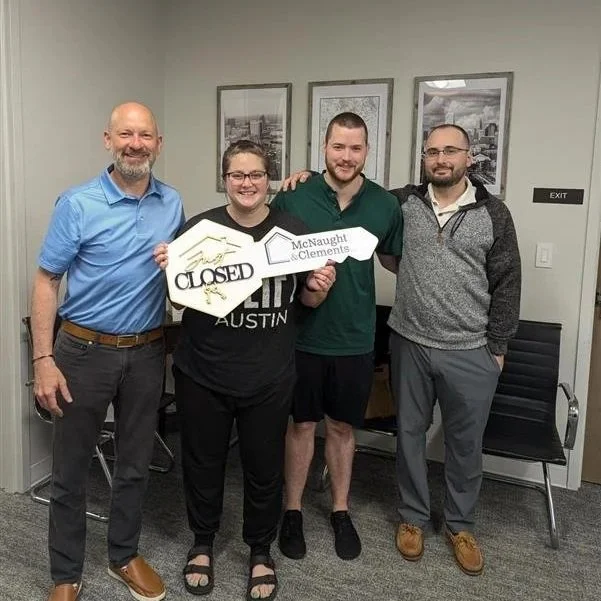
“He explained everything in detail, always ensured we understood the current information as well as next steps”
How My Specialized Loan Review Works
Talk through your goal. We discuss what you want the financing to do, your budget, your timeline and the property or project.
Review your documents. Depending on the loan, that may include tax returns, bank statements, leases, mortgage statements, assets or builder and contractor information.
Compare your options. I compare specialized and standard options from multiple lenders, including the payment, cash to close, reserves and any terms like variable rates or prepayment penalties.
Review the property. Rental income, taxes, insurance, HOA dues, condition and construction plans can all affect the options.
Pre-approval. You get a pre-approval based on a real review, so you can make an offer or sign a contract with confidence.
Underwriting and closing. I keep you, your agent and your builder or contractor updated through closing.
A pre-approval isn't final loan approval. Appraisal, title and underwriting can still affect the outcome.
Specialized Home Loan FAQs
-
No. New construction, renovation, HELOC and many jumbo loans can be standard qualified mortgages. Bank statement and DSCR loans are usually Non-QM.
-
Some do and some don't. Non-QM loans like bank statement and DSCR usually have higher rates, while many construction, renovation and jumbo loans price close to standard loans. It depends on the lender and your situation.
-
No. DSCR loans are for investment properties only.
-
Yes. A HELOC is usually a second mortgage, so your first mortgage stays in place.
-
No. Some one-time-close loans include buying the lot. If you already own land, its equity may help.
-
If your loan amount, not the price, is above $832,750 for a one-unit home in 2026, it's generally a jumbo loan.
-
Different lenders have different guidelines. I can review why it was denied and whether another program or lender may fit.
Learn more about qualifying in my guide: How Do I Qualify for a Home Loan?
Let's Match the Loan to Your Plan
Tell me what you're trying to do: build, renovate, use your equity, buy above the conforming limit, qualify with self-employed income or buy a rental. I'll compare specialized and standard options side by side, so you can see the cost, cash needed and trade-offs before you commit.
Reviewed by Paul Mattos
Paul Mattos
Mortgage Broker | Refine Mortgage
Carolina Home Financing
NMLS# 2339069 | Licensed in NC and SC
Call or text: 980-221-4959
Email: paulm@refinemortgage.net
Last reviewed: October 2026
Refine Mortgage Inc. | NMLS# 2417960 | Equal Housing Lender. This page provides general educational information and is not a commitment to lend, a rate quote or an offer of specific credit terms. Program availability, eligibility, rates, fees and terms vary by borrower, property, lender and loan purpose, and may change. Non-QM loans may have higher rates and fees than standard loans. HELOC rates are usually variable. Financing is subject to credit, income or cash-flow review, property valuation, title and underwriting requirements. Not all applicants will qualify.