

New Construction Home Loans in North Carolina and South Carolina
There are two ways to finance a new construction home. If you're buying from a builder in a new community, you'll usually use a regular mortgage (conventional, FHA, VA or USDA) that closes when the home is finished. If you're building a custom home on your own lot, you'll usually need a construction loan, often a one-time-close loan that covers the land, the build and your permanent mortgage in one closing.
Either way, the financing should be planned before you sign a builder contract or buy land.
I'm Paul Mattos, a mortgage broker with Refine Mortgage, licensed in North Carolina and South Carolina. Before mortgage, I spent years in on-site new-construction sales for builders around Charlotte, so I've seen these contracts, incentives and timelines from the builder's side too. Now I help buyers compare builder incentives, preferred-lender offers and construction loans so they know the real numbers before they sign.
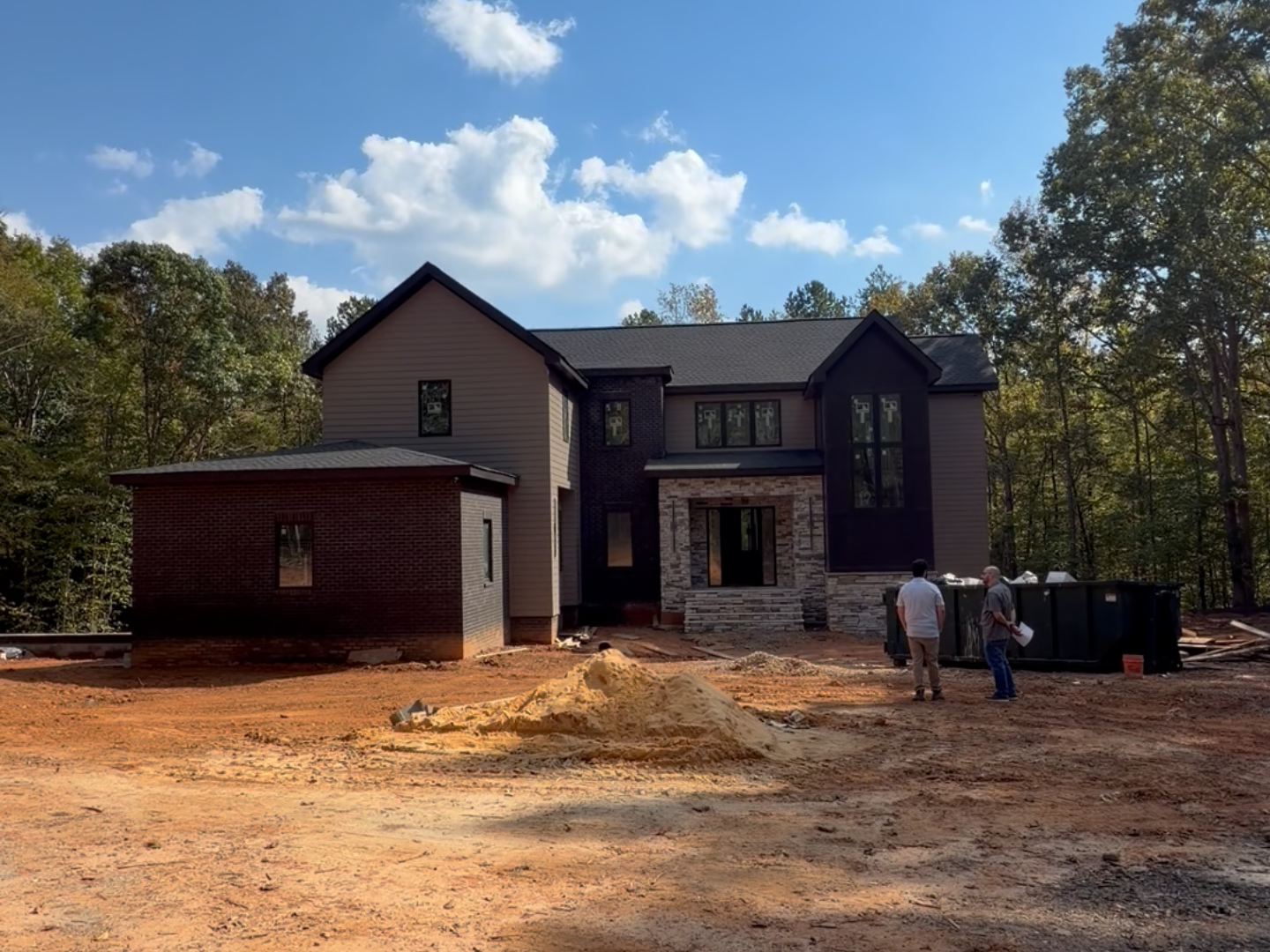
New Construction Financing in NC and SC at a Glance
Buying from a builder: usually a regular conventional, FHA, VA or USDA mortgage that closes when the home is complete.
Building custom: usually a construction loan. One-time-close loans combine construction and your permanent mortgage into one closing, depending on the program.
Loan programs: conventional, FHA, VA and USDA construction options may be available, depending on the lender, borrower and property.
Builder incentives: often tied to using the builder's preferred lender. Compare the full offer, not just the incentive.
Rate locks: homes that take months to finish may need an extended rate lock. Ask about the length and cost.
Appraisal: the home is appraised based on the plans and specs (or the finished home), which sets the loan amount.
Deposits: builders often require earnest money or a deposit at contract, and sometimes more for upgrades.
Timeline: a builder's inventory home may close in weeks. A custom build often takes about 15 to 18 months from start to move-in.
Which New Construction Path Fits You?
Buying from a builder (production or semi-custom) may fit when you:
Like a floor plan in a new community and want a simpler process
Want a move-in-ready or near-complete home
Want to compare builder incentives like closing cost help or rate buydowns
Building a custom home may fit when you:
Own land or want a specific lot, often outside a subdivision
Want full control over the design and finishes
Can plan around a longer timeline and a more involved loan
Not sure yet? I'll walk through both with you and estimate the payment and cash to close for each.
New Construction Loan Details
-
When you buy from a builder, you sign a purchase contract and usually close with a regular mortgage once the home is finished. I can pre-approve you before you visit models, compare your options with the builder's preferred lender, and lock your rate when the timing makes sense. See buying a new construction home in Charlotte.
-
Many builders offer incentives such as closing cost credits, rate buydowns or upgrade credits when you use their preferred lender. Sometimes that's the best deal, and sometimes a lower rate or lower fees elsewhere is worth more than the incentive. Ask the builder for the incentive in writing, including whether it depends on the lender, then compare the full Loan Estimates side by side. See how seller credits can lower your payment.
-
A construction loan pays the builder in stages, called draws, as each phase is completed and inspected. During construction you may make interest-only payments on the amount drawn so far, depending on the program. When the home is finished, the loan converts to your permanent mortgage.
-
One-time close: one application, one approval and one closing for the land, construction and permanent mortgage. Fewer closing costs and no requalifying at the end, but the program has more rules up front.
Two-time close: a short-term construction loan, then a separate permanent mortgage when the home is done. More flexibility, but two closings and you'll need to qualify again at the end.
-
Construction financing may be available through conventional, FHA, VA and USDA programs, each with its own down payment, credit, builder and property requirements. Not every lender offers every program, which is one reason working with a broker helps. See USDA home loans, VA home loans, FHA home loans and conventional loans.
-
Some construction loans can include buying the lot. If you already own land, its value and any existing liens are reviewed, and in some programs your equity in the land may count toward the loan. Check septic, water, zoning and flood zones before you buy. See buying land to build on in South Carolina.
-
For a construction loan, the lender usually reviews and approves the builder, the build contract, plans, specs and budget before closing. Have these lined up early, since they're needed for the appraisal.
-
If your home won't be finished for several months, ask about extended rate locks: how long they last, what they cost, and whether you can float down if rates drop. Some builders and lenders cover part of the cost.
-
The appraiser values the home based on the plans, specs and comparable sales. If the appraisal comes in below the contract price, you may need to bring more cash, renegotiate or change the plans.
-
The loan is based on the original contract. Upgrades and change orders after that may need to be paid in cash or approved by the lender. See custom build budgets: allowances, change orders and upgrades.
-
An inventory home may close in weeks, while a custom build often takes about 15 to 18 months. Plan for rent or your current mortgage payment in the meantime. If you'll be selling your current home, see can I buy a house before selling mine. See also how long it takes to build a custom home in South Carolina.
-
New construction loans differ a lot between lenders: incentives, lock length and cost, draw schedules, builder requirements, down payment and which programs they offer at all. I compare the options available through my wholesale lenders alongside the builder's preferred-lender offer.
Building and Buying New Around Charlotte
Lots of new communities: Fort Mill, Indian Land, Lancaster, Rock Hill, Clover, Concord, Huntersville, Mooresville and Waxhaw all have active new construction. Builder incentives can change month to month, so compare before you sign.
South Carolina property taxes: a new primary home in South Carolina can qualify for the 4% owner-occupied rate, but you must apply after closing. Until then, lenders may estimate taxes at the higher rate. See North Carolina vs. South Carolina property taxes.
Rural land and USDA: some areas around York, Clover and Lancaster may be USDA-eligible. See USDA-eligible areas near Charlotte.
HOA dues: most new communities have HOAs, and those dues count in your payment and debt-to-income ratio.
Watch: custom build series with builder Austin Vollmar of Stratx Construction
More videos: Buying land to build | Custom home budgets | Builder tour
How My New Construction Loan Process Works
1. Talk through your plan. Builder community or custom build, your budget, timeline, land and how much cash you want to keep.
2. Pre-approval before you shop. I review your income, credit and assets and pre-approve you for the right type of loan before you visit models or make an offer on land.
3. Compare the builder's offer. I compare the builder's incentives and preferred-lender offer with options from my wholesale lenders, side by side.
4. Contract, plans and appraisal. Once you sign, the lender reviews the contract, and for custom builds, the builder, plans, specs and budget. The appraisal sets the loan amount.
5. Rate lock and closing. We pick the right lock strategy for your timeline. Builder homes close when complete. One-time-close loans close before construction starts.
6. During and after the build. For construction loans, draws are released as phases are inspected, and the loan converts to your permanent mortgage when the home is finished. Timelines depend on the builder, appraisal, permits, inspections and underwriting.
New Construction Loan FAQs
-
Usually not. If the builder owns the land and builds the home, you typically close with a regular mortgage when it's finished.
-
No, but incentives are often tied to it. Compare the full offers before deciding.
-
One loan and one closing that covers the land (if included), construction and your permanent mortgage.
-
Often, yes, depending on the lender, builder and property. Not every lender offers these programs.
-
It depends on the program, credit and loan size. We'll go over your options for your situation.
-
Often, yes. Its value and any liens are reviewed, and in some programs your equity may count toward the loan.
-
It varies by lender and program. Extended locks are available but may cost more.
-
You may need to bring more cash, renegotiate with the builder or change the plans.
-
Usually, but they may need to be paid in cash or approved by the lender.
-
Often about 15 to 18 months from start to move-in, depending on design, permits and the build.
Learn more about qualifying in my guide: How Do I Qualify for a Home Loan?
Ready to Plan Your New Construction Financing?
Whether you're touring model homes or planning a custom build, talk with me before you sign a builder contract or buy land. I'll compare the builder's offer with options from multiple lenders and show you the payment, cash to close and rate lock options for your timeline.
Reviewed by Paul Mattos
Paul Mattos
Mortgage Broker | Refine Mortgage
Carolina Home Financing
NMLS# 2339069 | Licensed in NC and SC
Call or text: 980-221-4959
Email: paulm@refinemortgage.net
Last reviewed: October 2026
Refine Mortgage Inc. | NMLS# 2417960 | Equal Housing Lender. This page provides general educational information and is not a commitment to lend, a rate quote or an offer of specific credit terms. Construction and new construction loan programs, builder incentives, rate lock options, draw procedures and requirements vary by lender, builder, program, borrower and property and may change. Build timelines are estimates. Financing is subject to credit, income and asset verification, appraisal, title and underwriting requirements. Not all applicants will qualify. Refine Mortgage is not affiliated with or endorsed by HUD, the Department of Veterans Affairs, the USDA or any government agency.