

Renovation Loans in North Carolina and South Carolina
A renovation loan lets you pay for home improvements with financing, either when you buy a home that needs work or on a home you already own. If you're buying, programs like FHA 203(k), Fannie Mae HomeStyle and Freddie Mac CHOICERenovation combine the purchase and the repairs into one mortgage. If you already own your home, the most common options are a HELOC, a home equity loan, a cash-out refinance or a renovation refinance.
The right choice depends on whether you're buying or already own, how big the project is and whether you want to keep your current mortgage rate.
I'm Paul Mattos, a mortgage broker with Refine Mortgage, licensed in North Carolina and South Carolina. Before mortgage, I worked in on-site new-construction sales, so I know how bids, budgets and timelines can change once work starts. I help buyers and homeowners compare renovation options side by side, so the financing fits the project, the timeline and the payment.
Renovation Loan Options at a Glance
If you're buying a home that needs work:
FHA 203(k) Limited: for non-structural repairs and updates up to $75,000, like a kitchen, bathrooms, roof, HVAC, flooring or paint.
FHA 203(k) Standard: for larger or structural projects, like additions, major remodels or foundation repairs. Requires a HUD-approved 203(k) consultant.
Fannie Mae HomeStyle Renovation: a conventional option for primary homes, second homes and investment properties. Renovation costs can be up to 75% of the lesser of the purchase price plus renovation costs or the as-completed value.
Freddie Mac CHOICERenovation: a similar conventional option with similar renovation limits, which can also fund repairs after a disaster or improvements that help protect a home from future ones.
If you already own your home:
HELOC: a credit line you draw from as the project moves along, and your first mortgage stays in place.
Home equity loan: one lump sum with a fixed payment, as a second mortgage.
Cash-out refinance: replaces your current mortgage with a larger one.
Renovation refinance: HomeStyle, CHOICERenovation or 203(k) can refinance your current loan and fund improvements based on the home's value after the work is done.
Common to every option: credit, income, debt-to-income ratio, the home's value and your equity all matter. Programs that finance the work through the loan also review contractor bids, plans and the after-renovation appraisal.
Which Renovation Option Fits Your Project?
A renovation purchase loan (203(k), HomeStyle or CHOICERenovation) may fit when you:
Found a home in the right area that needs updates or repairs
Don't have the cash to buy the home and renovate it separately
Want one loan and one closing for both the purchase and the work
Are buying a home that may not qualify for regular financing until repairs are made
A HELOC or home equity loan may fit when you:
Already own your home and want to keep your current first mortgage rate
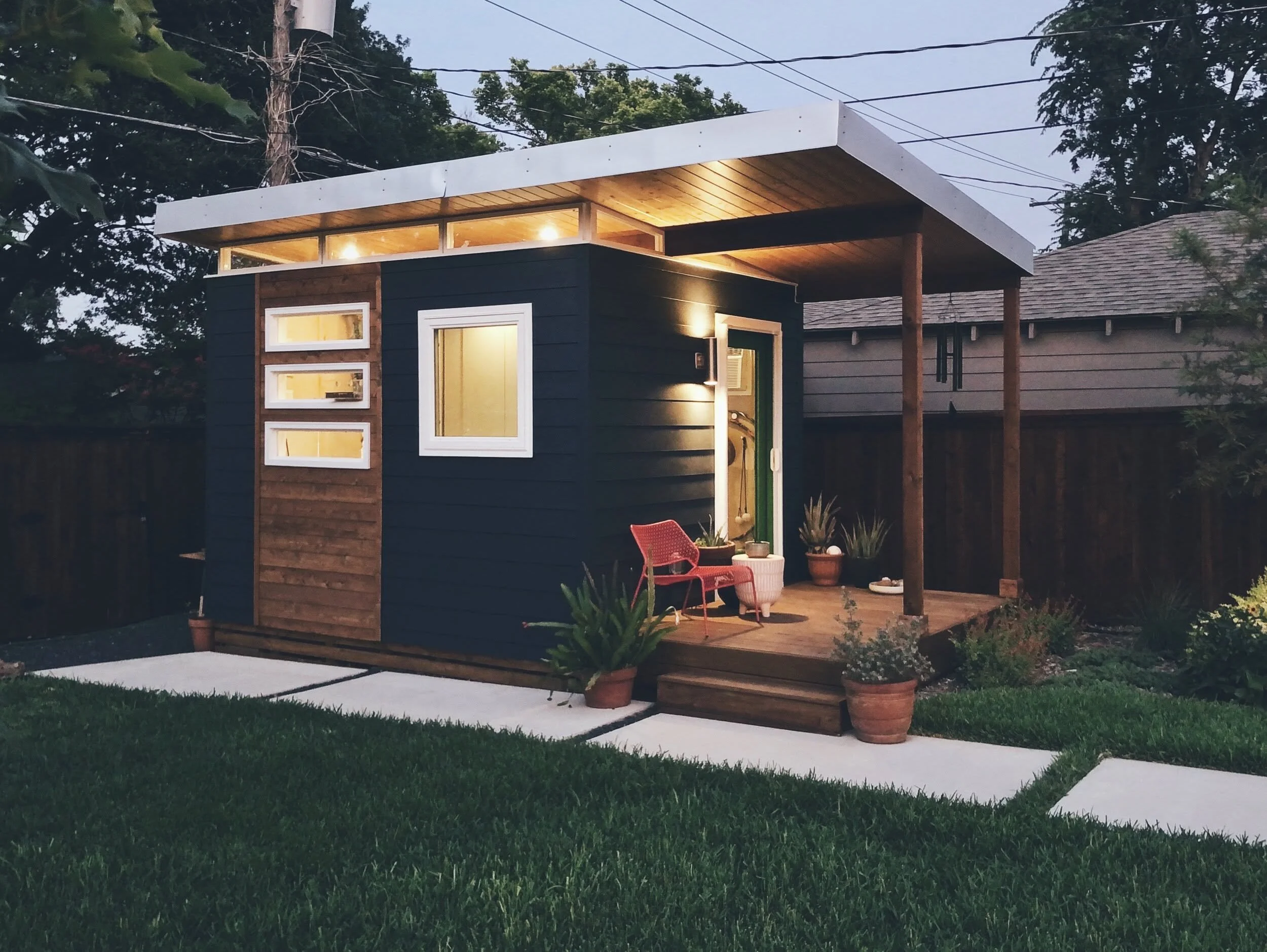
Are building a shed, detached garage, workshop or ADU, or doing a kitchen, bath, pool or roof
Want to pay contractors in stages and only pay interest on what you've drawn (HELOC)
Have enough equity today to cover the project
A renovation refinance or cash-out refinance may fit when you:
Don't have enough equity today, but the home will be worth more after the work (renovation refinance)
Today's rates are close to your current rate, or you'd rather have one mortgage payment (cash-out refinance)
Something else may fit better when:
You're tearing down and rebuilding, or building on land. See new construction loans.
It's a small project you can pay off quickly. Cash or a short-term option may cost less than closing a new loan.
For a full comparison of the equity options, see HELOC vs. cash-out refinance.
Three Ways to Get Started
Already Own Your Home? Start With a HELOC
If you have equity and want to keep your current mortgage, see my HELOC options, including fast online applications.
Buying a Home That Needs Work?
Talk with me before you make an offer. A renovation purchase loan needs contractor bids and enough time in your contract for the appraisal and approval.
Ready to Apply?
Complete my full mortgage application, and I'll compare renovation options from multiple lenders.
Renovation Loan Details
-
The loan amount is based on the home's value after the improvements are done, not just the price you're paying. At closing, the purchase is paid for, and the renovation money is held in an escrow account. Your contractor is paid in draws as work is completed and inspected. You make one mortgage payment on the full amount.
-
The Limited 203(k) is for non-structural work up to $75,000, such as kitchens and bathrooms, roofing, HVAC, plumbing, electrical, flooring, windows, accessibility updates and paint. A 203(k) consultant isn't required, but you can choose to use one. HUD allows up to nine months to finish the work. Regular FHA rules apply, including FHA loan limits, owner occupancy and mortgage insurance. See FHA loans in NC and SC.
-
The Standard 203(k) is for larger projects, including structural repairs, additions, major remodels and repairs over the Limited amount. Repairs must be at least $5,000. A HUD-approved 203(k) consultant is required to inspect the home, write the scope of work and approve draws. HUD allows up to 12 months to finish the work, and the loan can include a contingency reserve for unexpected costs.
-
HomeStyle is a conventional renovation loan for purchases and refinances. It can be used on a one- to four-unit primary home, a one-unit second home or a one-unit investment property. For a purchase, renovation costs can be up to 75% of the lesser of the purchase price plus renovation costs, or the as-completed appraised value. For a refinance, it's 75% of the as-completed value. The lender sets the completion schedule, often around 12 months. A contingency reserve can be added for unexpected costs and is required on two- to four-unit homes. Limited do-it-yourself work may be allowed on one-unit homes with lender approval.
-
CHOICERenovation is Freddie Mac's conventional renovation loan. For a purchase, renovation costs can be up to 75% of the lesser of the purchase price plus renovation costs, or the as-completed value. It's available for one- to four-unit primary homes, one-unit second homes and one-unit investment properties. It can also pay to repair a home damaged in a disaster or for improvements that help protect a home from future disasters. Work generally must be finished within 450 days, and a contingency reserve is usually required.
-
A HELOC works well for projects paid in stages, like a shed, garage, ADU, pool or kitchen. You draw what you need as each stage is finished and pay interest only on what you've drawn. Most HELOCs have variable rates, and the payment usually rises when the draw period ends. See HELOC loans.
-
A home equity loan gives you one lump sum with a fixed rate and payment, while your first mortgage stays in place. A cash-out refinance replaces your mortgage with a larger one, so your rate changes on the whole balance. Both are based on your home's value today, before the improvements. See cash-out refinance explained.
-
These projects are usually paid for with a HELOC, a home equity loan, a cash-out refinance or a renovation refinance. Before you budget, check zoning, setbacks, HOA rules and permits. In Charlotte, ADUs are allowed on most single-family and duplex lots zoned N1 and N2, with one ADU per lot, and they need both city and Mecklenburg County approvals. See the City of Charlotte ADU page. Outside Charlotte, rules vary by town and county. Income from an ADU may not count toward qualifying until it has a rental history, depending on the program.
-
Renovation purchase loans require a licensed contractor where state law requires one, a detailed written bid and approval of the scope of work by the lender. Money is released in draws after inspections, so your contractor needs to be comfortable with that payment schedule. Get bids early, since they're needed before the appraisal can be ordered.
-
For 203(k), HomeStyle and CHOICERenovation, the appraiser values the home as if the work were already done, using your plans and bids. If the value comes in lower than expected, you may need to scale back the project or bring more money to closing. See what happens if an appraisal comes in low.
-
A renovation purchase usually takes longer to close than a regular purchase because of bids, consultant reports and the as-completed appraisal. Build that time into your offer and talk with me before you write the contract.
-
Additions and major improvements can raise your property's assessed value and your property taxes. Your homeowners insurance may also need more dwelling coverage after the work. Interest on home equity debt may be tax-deductible when it's used to buy, build or substantially improve the home that secures the loan. Check with your tax professional and see IRS Publication 936.
Planning a Renovation in the Charlotte Area
Older homes close to Uptown: many established neighborhoods have homes that need updates. Some are local historic districts, where exterior changes need Historic District Commission approval. Check before you plan an addition.
HOA approval: many Charlotte-area HOAs require approval for sheds, fences, pools, additions and exterior changes. Get approval before you sign with a contractor.
Lake Norman and Lake Wylie: lakefront projects may need extra permits and shoreline or buffer approvals, and flood zones can affect insurance and financing. See my Lake Norman and Lake Wylie guides.
NC vs. SC permits: projects in Mecklenburg, Union and Cabarrus counties go through county or city permitting in North Carolina. Projects in York and Lancaster counties go through South Carolina county or town offices. Ask your contractor who pulls the permits.
Buying a fixer-upper to rent: HomeStyle and CHOICERenovation allow one-unit investment properties. Investors may also compare a DSCR loan once the work is done.
How My Renovation Loan Process Works
1. Talk through the project. We discuss what you want to do, a rough budget, your timeline and whether you're buying or already own the home.
2. Pick the right structure. I compare a renovation purchase or refinance loan with a HELOC, home equity loan or cash-out refinance, including the cost, the payment and what happens to your current mortgage.
3. Get bids and plans. Your contractor provides a detailed written bid. For a Standard 203(k), a HUD consultant inspects the home and writes the scope of work.
4. Application and documents. You complete a secure application and upload income and asset documents, along with the contractor's bid and information.
5. Appraisal and underwriting. For a renovation loan, the appraiser values the home as completed. The lender reviews your credit, income and the project.
6. Closing and draws. You close, and renovation funds are held in escrow and paid to your contractor in draws as work is inspected. For a HELOC, you draw on the line as each stage is done.
Renovation Loan FAQs
-
Yes. FHA 203(k), Fannie Mae HomeStyle and Freddie Mac CHOICERenovation can combine the purchase and the renovation into one mortgage.
-
Up to $75,000 in repair costs, for non-structural work. Larger or structural projects use the Standard 203(k).
-
FHA 203(k) is for owner-occupied homes. HomeStyle and CHOICERenovation allow one-unit investment properties.
-
Most homeowners use a HELOC, a home equity loan or a cash-out refinance. If you don't have enough equity yet, a renovation refinance based on the after-completion value may work.
-
FHA 203(k) generally requires a contractor. HomeStyle allows limited do-it-yourself work on one-unit homes with lender approval.
-
For renovation purchase and refinance loans, the money goes into an escrow account and is paid to the contractor in draws after inspections.
-
If you have enough equity and want to keep your current mortgage, a HELOC is often simpler. If you're buying, or you need the after-renovation value to borrow enough, a renovation loan may fit better.
-
Usually longer than a regular purchase, because of bids, inspections and the as-completed appraisal. Plan for it in your contract.
-
It can. Additions and major improvements may increase your assessed value.
-
203(k), HomeStyle and CHOICERenovation loans can include a contingency reserve for unexpected costs. Build extra room into your budget either way.
Learn more about qualifying in my guide: How Do I Qualify for a Home Loan?
Learn More About Renovation and Home Equity
Planning a Project or Buying a Fixer-Upper?
Tell me what you want to build or fix, your rough budget and your timeline. I'll compare a renovation loan, a HELOC, a home equity loan and a cash-out refinance, and show you the cost, the payment and what happens to your current mortgage with each one.
Reviewed by Paul Mattos
Paul Mattos
Mortgage Broker | Refine Mortgage
Carolina Home Financing
NMLS# 2339069 | Licensed in NC and SC
Call or text: 980-221-4959
Email: paulm@refinemortgage.net
Last reviewed: October 2026
Refine Mortgage Inc. | NMLS# 2417960 | Equal Housing Lender. This page provides general educational information and is not a commitment to lend, a rate quote, an offer of specific credit terms, or tax, legal or construction advice. Program limits and guidelines are set by HUD, Fannie Mae, Freddie Mac and each lender, vary by borrower and property, and may change. Renovation loans require approved contractor bids, an as-completed appraisal and lender review of the project. HELOC rates are usually variable and can increase, and your home secures the loan. Financing is subject to credit, income verification, property valuation, title and underwriting requirements. Not all applicants will qualify.