

Carolina Mortgage Insights with Paul Mattos
Sort By Categories
- Charlotte Area Comparisons 16
- Charlotte Neighborhoods 10
- First-Time Homebuyers 52
- Investment Property Loans 19
- Lake Norman 4
- Lake Wylie 4
- Mortgage Process & Education 57
- Mortgage Programs 31
- Mortgage Qualification 49
- Move-Up Buyers 16
- Moving to Charlotte 29
- New Construction & Renovation 6
- North Carolina Communities 12
- Refinancing & Home Equity 16
- Regional Guides 7
- Self-Employed & Alternative Income 8
- South Carolina Communities 13
- Veteran Home Buyers 4
Sort By Tags
- Acreage & Land 4
- Appraisals 13
- Bank Statement Loans 7
- Buying Before Selling 13
- Cash-Out Refinance 5
- Charlotte Relocation 52
- Closing Costs 34
- Commission Bonus & Overtime 5
- Condos & Townhomes 16
- Construction Loans 7
- Conventional Loans 20
- Credit & Debt-to-Income 34
- Credit Challenges 6
- Credit Scores 1
- DSCR Loans 9
- Down Payment 37
- Down Payment Assistance 6
- Employment & Income 24
- FHA Loans 15
- Fixed vs. Adjustable Rates 3
- Gift Funds 10
- HELOC 6
- Home Affordability 13
- Home Equity 11
- House Hacking 4
- Jumbo Loans 15
- Luxury Homebuyers 18
- Mortgage Insurance 15
- Mortgage Payments 34
- Mortgage Pre-Approval 73
- Mortgage Rates 15
- Mortgage Underwriting 29
- New Job Offer 6
- Non-QM Loans 10
- Property Taxes & Insurance 42
- Rate Buydowns 7
- Real Estate Investors 20
- Refinancing 15
- Rental Income 9
- Self-Employed Borrowers 9
- Seller Credits 12
- Short-Term Rentals 5
- Student Loans 5
- USDA Loans 6
- VA Loans 7
- Waterfront Homes 9

Can I Buy a House After Divorce?
Buying a home after divorce is possible. Learn how support payments, joint debts, credit, and settlement funds can affect mortgage qualification.
What Is Debt-to-Income Ratio?
Debt-to-income ratio compares your monthly obligations with your gross income. See a simple example and learn which payments lenders consider when you buy a home.
Can I Use VA Benefits More Than Once?
Your VA home loan benefit can often be reused. Learn when entitlement may be restored, how remaining entitlement works, and what to check before buying again.

Can VA Buyers Pay Closing Costs?
VA buyers can pay closing costs, and sellers may help cover them. Learn how seller credits, the 4% concessions rule, and the VA funding fee affect cash to close.
How Commission Income Is Calculated for Mortgages
Yes, you can qualify for a mortgage with commission income. Learn how lenders average W-2 and 1099 commissions, handle rising or falling pay and what to prepare.
Can Travel Nurses Buy a House?
Travel nurses can buy homes, but contracts, overtime, employment gaps, and tax-free stipends require careful review. Learn how lenders evaluate travel nurse income and which documents to prepare before applying.
Can Nurses Use Overtime Income for a Mortgage?
Nurses can often use overtime, shift differentials, bonuses, and PRN earnings to qualify for a mortgage. Learn how lenders average variable income and what happens when overtime is declining.

What Makes a Strong Mortgage Pre-Approval?
A strong mortgage pre-approval verifies income, assets, debts and credit while explaining payment assumptions, conditions and remaining property requirements.
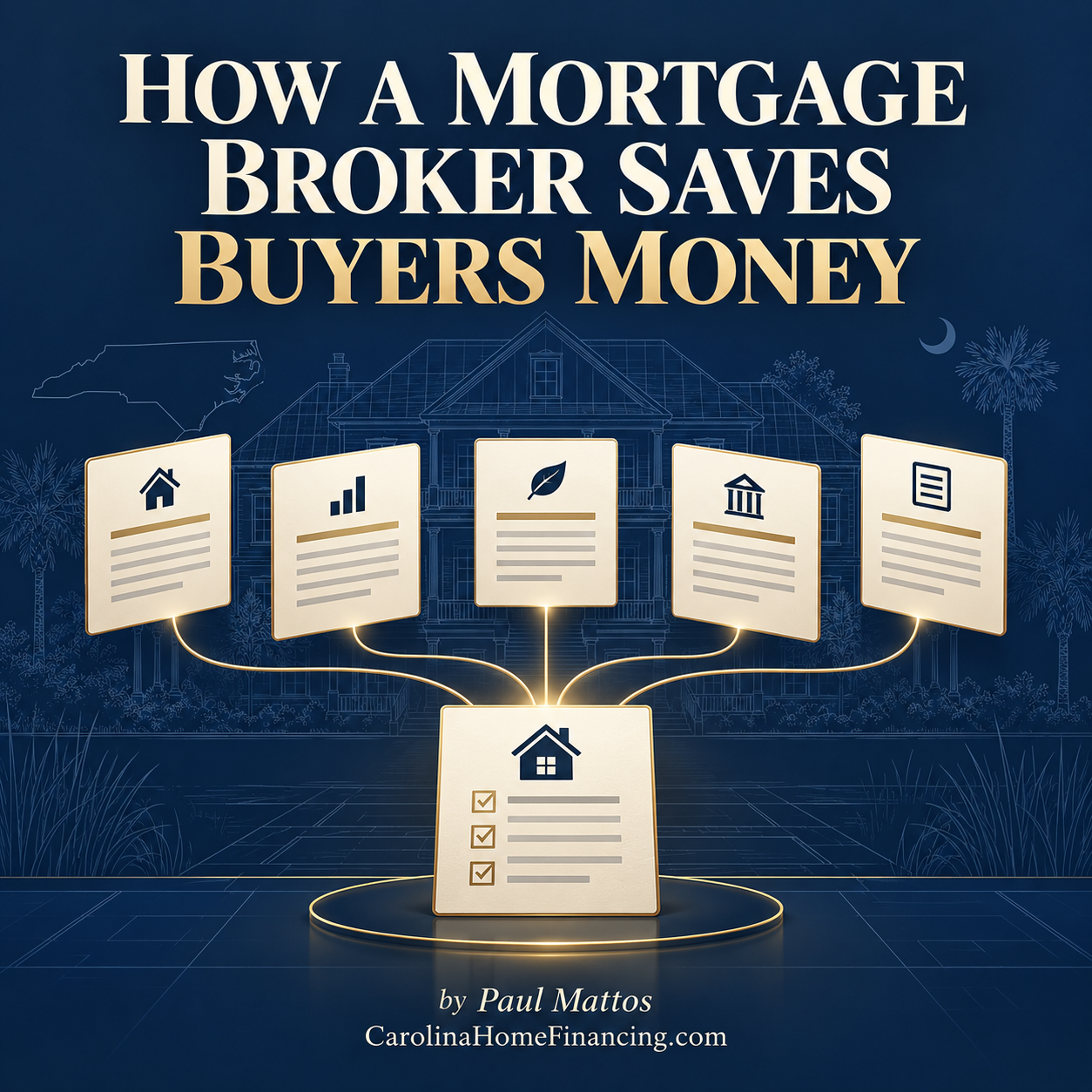
How a Mortgage Broker Saves Buyers Money
A mortgage broker may help buyers save by comparing lenders, loan programs, fees, points and credits. Learn what to compare—and why the lowest advertised rate may not be the lowest-cost strategy.
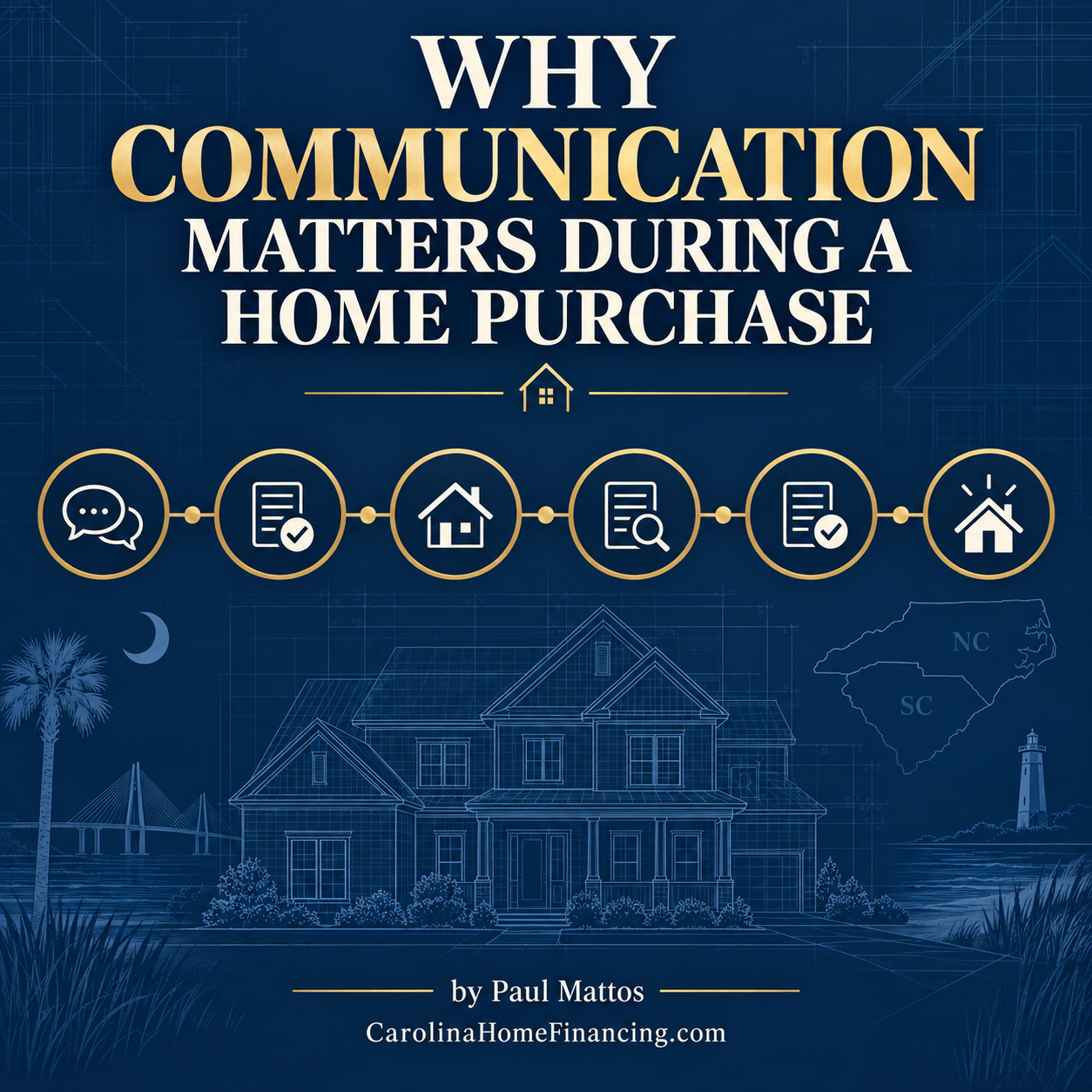
Why Communication Matters During a Home Purchase
Clear mortgage communication helps buyers understand deadlines, document requests, underwriting, closing costs and what happens next. Learn which updates matter throughout a home purchase.
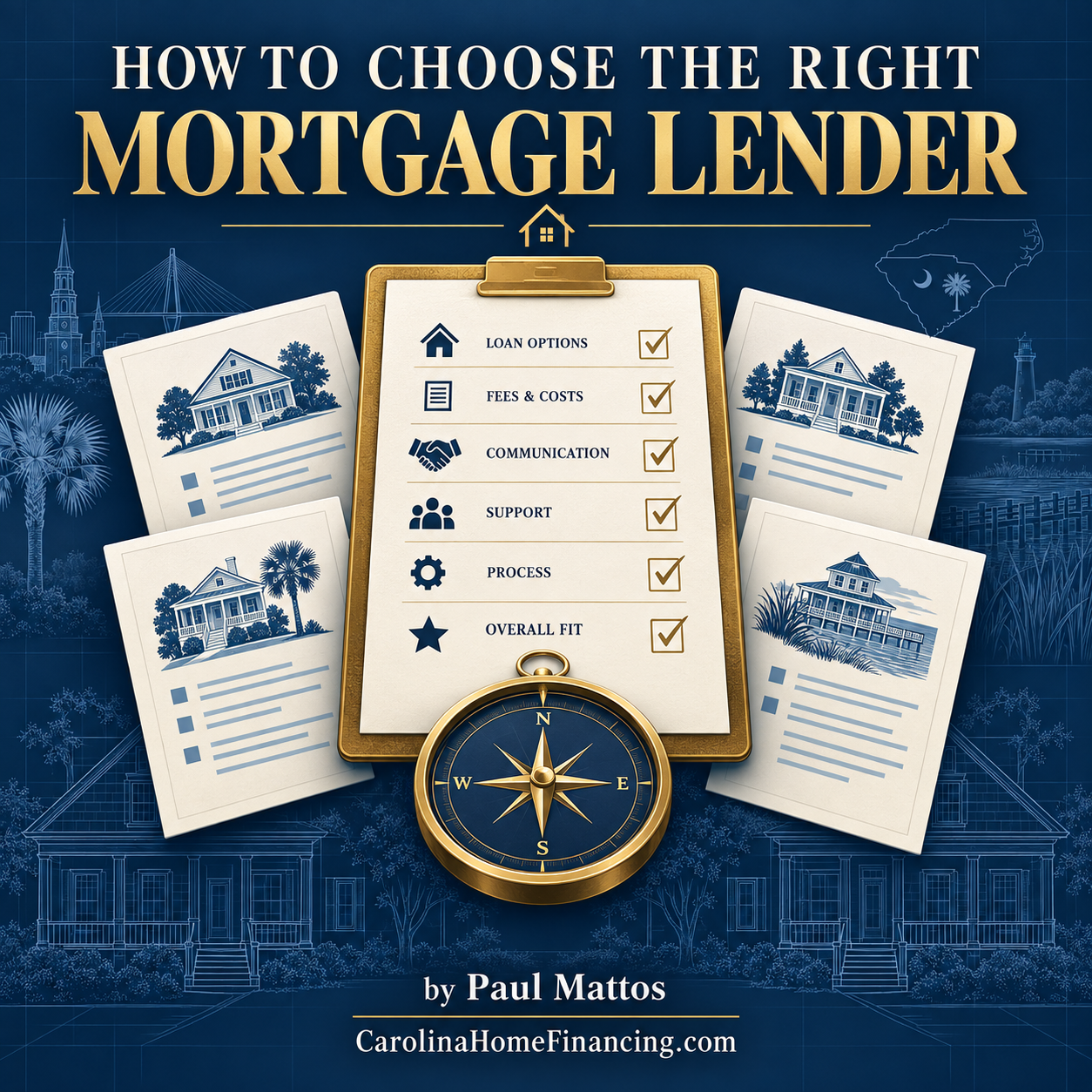
How to Choose the Right Mortgage Lender
Choosing a mortgage lender requires more than comparing advertised rates. Learn how to evaluate Loan Estimates, fees, communication, pre-approval quality, loan programs and closing support.
Questions to Ask a Mortgage Lender Before Applying
Use these 18 questions to compare mortgage lenders before applying. Learn what to ask about pre-approval, rates, fees, Loan Estimates, payments, communication and closing timelines.
Retail Bank vs. Mortgage Broker: What's the Difference?
Bank or mortgage broker? Learn how each works, how brokers get paid, when a bank may fit better, and how to compare Loan Estimates fairly before you choose.
What Happens During Mortgage Underwriting?
Underwriting is the lender's final review of your income, assets, credit and the home. Learn what underwriters check, what conditions mean and how to avoid delays.
What Does "Under Contract" Mean When Buying a House?
Under contract means the buyer and seller signed a purchase agreement, but the sale isn't final until closing. Here's what it means in NC and SC and what happens next.
What Is Earnest Money? A Guide for NC and SC Homebuyers
Earnest money is a good-faith deposit held in escrow and credited at closing. Learn how it works in NC and SC, how it differs from due diligence and how to protect it.
Escrow Explained for First-Time Homebuyers in NC and SC
An escrow account pays your property taxes and insurance from your monthly payment. Learn how escrow works in NC and SC, why payments change and when you can waive it.
What Not to Do Before Closing on a House
Between contract and closing, lenders keep checking your credit, job and accounts. Here's what not to do before closing, why it matters and what to do instead.
What Happens After Mortgage Pre-Approval? Steps From Offer to Closing
After pre-approval comes the offer, inspections, appraisal, underwriting and closing. Here's each step in NC and SC, what to expect and how long it usually takes.
What Are Closing Costs for Buyers in North Carolina and South Carolina?
Closing costs often run 2% to 5% of the price. See what NC and SC buyers pay for, how prepaids and escrow work, and how seller and lender credits can lower your cash.